About
Who’s Who
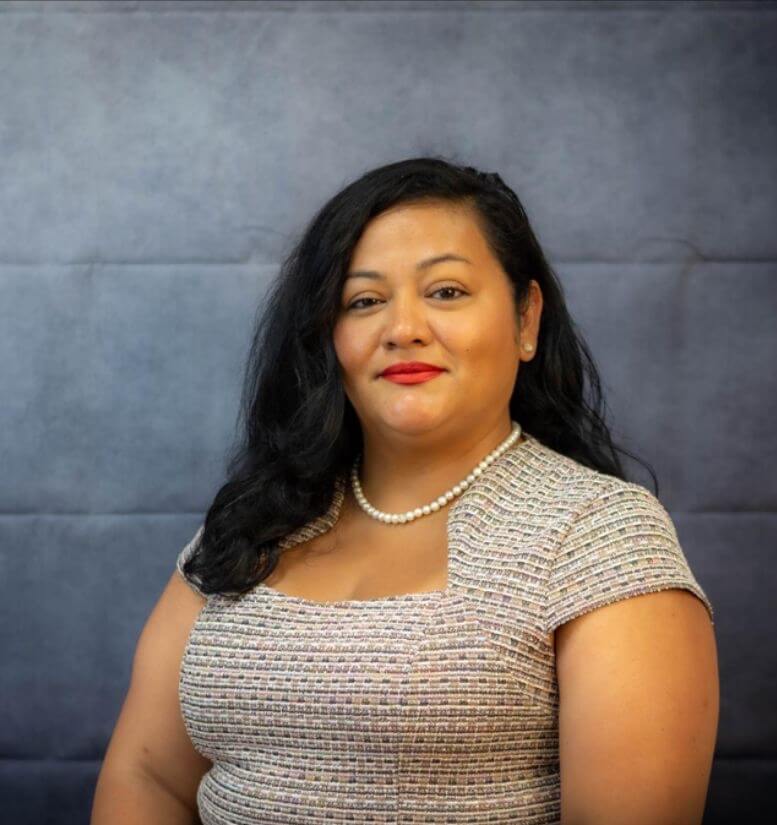
Lina Osorio is a leadership development executive with more than 20 years of experience helping organizations turn stated values into lived practice. Her work spans healthcare, government, and nonprofit sectors, where she focuses on inclusive leadership, sustainable pipelines, and community-centered change shaped by lived experience rather than theory.
The Work Begins Where the Words End
Lina Osorio has spent more than two decades learning a lesson many organizations still struggle to grasp: inclusion is not about what’s written in mission statements—it’s about what people experience when no one is watching. Early in her career, she noticed the disconnect between intention and reality. Values were articulated beautifully on paper, yet daily practices often told a different story. That gap—between aspiration and action—became the space where Lina chose to lead.
She has a way of translating complex ideas into lived truth. When people talk about diversity and inclusion, Lina doesn’t stop at metaphors. She challenges them. “Diversity is being invited to the party, inclusion is being invited to dance,” the saying goes. But for Lina, that’s still not enough. She believes real belonging happens when people help choose the music, shape the menu, and influence the setup. That conviction has guided her work across healthcare, government, and community-based organizations, shaping leaders who understand that inclusion is not symbolic—it’s structural.
Foundation: Finding Her Voice When She Was “The Only”
Lina’s leadership philosophy was not formed in classrooms alone; it was forged in rooms where she often stood out. As a Latina and a woman of color, she spent formative years of her career as “the only”—the only one who looked like her, sounded like her, or carried the lived experiences of her community. Leadership roles, particularly at senior levels, rarely reflected the diversity she saw in frontline or clinical spaces.
Those moments were defining. Rather than shrinking, Lina leaned in. She realized that if she couldn’t see herself reflected in leadership, she might have to become that reflection for others. The experience taught her that representation is not about optics—it’s about access, influence, and the courage to speak when silence is easier.
One quote has stayed with her throughout that journey: “Speak your truth even if your voice shakes.” It’s a reminder she returns to often, especially when challenging the status quo or advocating for voices that have historically been overlooked. Those early years taught her that leadership is not about certainty; it’s about conviction.
Ascent: Turning Values Into Practice
As Lina moved into leadership development and program design roles, her focus sharpened. She saw organizations invest heavily in diversity language while overlooking the everyday practices that shape belonging. Simple oversights—like scheduling lunch meetings during Ramadan or failing to offer kosher options—revealed deeper issues. To Lina, these moments weren’t about food; they were about visibility and respect.
Her response was never performative. She pushed for practical change: building interreligious competency into leadership training, creating shared calendars that reflected the actual makeup of the workforce, and encouraging leaders to plan with people—not just for them. These weren’t grand gestures; they were intentional choices that signaled, “You matter here.”
Lina also became deeply invested in leadership pipelines. She noticed a recurring pattern: organizations launched programs, celebrated completion, and then moved on. For her, that was where leadership development failed. “Building leadership pipelines is not an event. It’s an ongoing commitment,” she often says. Real growth, she believes, requires mentorship, follow-through, and accountability long after the certificates are handed out.
Her approach reframed leadership development as a relationship—one that requires patience, consistency, and trust.
Impact: Letting Communities Lead
One of Lina’s most impactful shifts came through her work in community health. She challenged a long-standing tendency to define community needs from a distance, filtered through assumptions rather than lived experience. Instead, she asked a simple but transformative question: How do you want us to show up?
That question changed everything. By inviting community members into the decision-making process, Lina helped move organizations away from stereotypes and toward partnership. She recalls conversations around food that revealed how easily culture can be mislabeled as the problem. Dismissing traditional foods as “unhealthy,” she argues, ignores history, context, and possibility.
When communities were invited to lead, the narrative shifted. Health outcomes improved not because culture was erased, but because it was respected. The work moved from resistance to engagement, from compliance to excitement. For Lina, this was inclusion in action—rooted in humility and shared ownership.
Vision for the Future: Leadership That Makes Room
Looking ahead, Lina is clear-eyed about the pace of change. Progress, she reminds future leaders, takes time. Systems didn’t become inequitable overnight, and they won’t be dismantled quickly. Patience, persistence, and purpose are essential.
But her message goes further. Once leaders find their footing, she urges them to bring others with them. Competition within marginalized communities, she believes, only slows collective progress. “When you reach a place of influence, your job is to open the door wider,” she says. Leadership is not about guarding space—it’s about expanding it.
For Lina Osorio, the true measure of success is not how far one climbs, but how many people are lifted along the way. That belief continues to shape her work, her voice, and her legacy.
Editorial Note
Lina Osorio’s journey reminds us that inclusive leadership is not a destination—it’s a daily practice rooted in courage, listening, and accountability. Her story challenges leaders to look beyond invitations and ask who truly has a voice in shaping the future. In a time when organizations are searching for authenticity, her work offers a clear message: lasting change begins when we stop performing values and start living them.