Executive Coach & Leadership Trainer | Guiding Leaders to Master Self-Leadership by Achieving High Performance from a Place of Well-Being
From the Diary of Lauren Cartigny
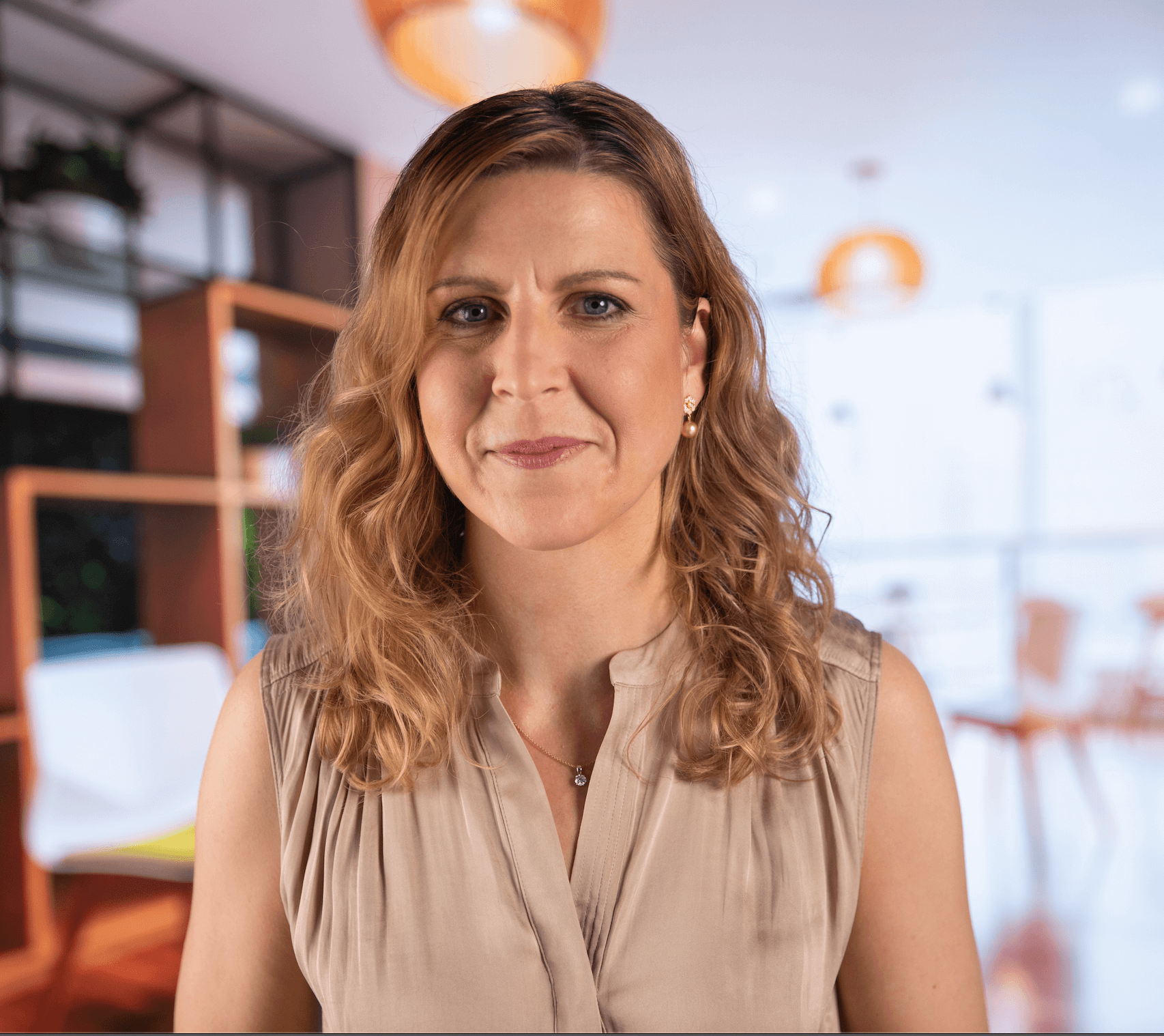
Lauren Cartigny is an ICF PCC Executive Coach and the founder of The Self-Science Lab. Her surname is pronounced like “Martini” with a C! A former international tech sales leader, she now helps Executives master their “Human Operating System.” Through her signature Self-Leadership methodology, she guides leaders to achieve high performance from a place of well-being. Her work focuses on unlocking the Three Cs: Calm, Compassion, and Confidence. By aligning personal development with professional goals, Lauren provides CEOs and Senior Leaders with the tools to make clearer decisions, build resilient teams, and deliver sustainable results without the cost of burnout.
The higher an Executive climbs, the fewer decisions they make, but the stakes attached to those decisions grow exponentially. In the high-pressure vacuum of the boardroom, there is often no time for deliberation or research. In these moments, leadership is no longer about technical expertise; it is about how the person has access to their intuitive clarity in the moment to make the call.
For Lauren Cartigny, this realization wasn’t born in a textbook, but in the crucible of a high-stakes international tech career that eventually led to a total systemic collapse. Today, as the founder of The Self-Science Lab, Lauren has moved beyond the traditional “well-being” conversation to pioneer a more self-knowledge-based discipline of rituals which she refers to as Self-Leadership. By teaching executives and organizations how to master their “Human Operating System,” she is proving that high performance and personal well-being are not opposing forces; they are, in fact, inter-dependent viables which cannot exist without each other for sustainable health.
The Catalyst of Crisis
Long before she was an Executive Coach (ICF PCC) and a Mindfulness Practitioner, Lauren was a formidable force in the tech industry. With a degree in Sport and Exercise Science from Loughborough University and a deep curiosity with psychology, she spent 11 years navigating the hyper-growth demands of Tech firms like LinkedIn, Equinix, and Rackspace which were also known to be best places to work.
Her career was defined by solving business problems with complex tech solutions. She was the co-architect of digital transformations, managing global accounts for some of Europe’s largest financial institutions. On paper, the trajectory was flawless: she was a “Rackstar,” and a member of the “President’s Club,” closing multi-million-dollar deals.

However, beneath the surface of professional accolades, a silent build-up of stress was occurring. Lauren was operating a high-performance machine – her career- without understanding the maintenance and recovery mechanics of the engine – herself. This period of “success from sacrifice” eventually culminated in a profound crisis: burnout, health issues, and a divorce. It was a total system failure that forced a hard reset.“My self-transformation and recovery took 10 years. We are always evolving; the journey never ends.” Lauren reflects. “But what became clear to me is that you don’t need to go through the hardship I endured to inform yourself on the mechanism of the Human Operating System which enables more conscious decision making and the awareness of how to look after your engine and run maintenance check more regularly.”
Decoding the Mind-Body Connection
Lauren did not simply “bounce back”; she rebuilt herself from a cellular level. She took time out for self-study, group therapy, individual therapy, retreats, workshops and the rest! She learnt about Gestalt psychology, behavioral science, stress management from HeartMath and Gabor Maté’s therapeutic approach called Compassionate Inquiry. This was the birth of the creation of her “Self-Science” approach.
She realized that traditional therapy, coaching and business psychology were only parts of the puzzle. She witnessed in herself unconscious patterns lead to behaviours which can drive your body into the wall, without your mind noticing. This is the science of Mind-Body connection. She discovered that old emotional patterns and stress were often “trapped” in the body, manifesting as chronic pain, mental brain fog, and decisions which don’t always serve us. By integrating self-awareness with business psychology, neuroscience with somatic release and mindfulness, she has created a way to guide people on their journey to unlocking sustainable energy.
Lauren’s transition from Sales Leader to Leadership Trainer was fueled by a desire to evangelise the importance of building “self-knowledge”, to navigate the high demands of the corporate world in a more sustainable way. She recognized that the middle management layer was particularly vulnerable – caught between executing the strategic visions of senior leadership and the emotional reality of the frontline.
As one of her formal clients shared, a Global Learning Specialist: “I admired how Lauren delivered and facilitated the training. She made everybody curious, vulnerable, and willing to learn. Now, I know how to better lead and manage in highly diverse, intergenerational environments.” This ability to foster psychological safety while maintaining a focus on delivering results became Lauren’s professional signature.
The Self-Science of Conscious Decision-Making
Through The Self-Science Lab, Lauren now supports workforces by aligning personal development with professional goals. Her work centers on the belief that when a leader changes the way they “show up,” it creates a ripple effect throughout the entire organization because people do what you do, not what you say. When teams develop more self-leadership, they have more energy to access the “Three Cs”: Calm, Compassion, and Confidence to self-regulate their emotional state, adapt their communication, and have more influence.
She uses sophisticated tools like the Process Communication Model (PCM) and Emotional Intelligence assessments (EQ-i 2.0) and HeartMath to guide leaders through a roadmap of their own personalized unique needs. This isn’t just about feeling better; it’s about living better to work better to make better decisions”, build more connected relationships and inspire other to follow you.
“Self-Leadership is the foundation of sound judgment in the middle of chaos when there is no time to analyze all the details. The clearer your mind, the fewer the distortions, and the more you can access your intuition and trust your body’s guidance and your decisions under pressure.”
The advice she would give to her younger professional self is clear: “Get to know yourself! Self-leadership training is fundamental to better navigate your career. It allows you to lead your life by learning what you need to thrive in your health, relationships and results. You are the best investment you can make, because your mind, your body and your soul stay with you for the entirety of this lifetime.”
A Legacy of Sustainable Performance
Lauren’s mission is to make Self-Science accessible to all. She is currently expanding her reach through weekly online workshops and courses, and keynote speaking. Her goal is to move the needle for HR leaders and CEOs, helping them see that investing in the mental and emotional adaptability of their Leaders and Managers are the most effective way to reduce burnout and employee churn, because companies break in the middle. Middle Managers need more support to bridge the gap of Leadership high expectations and the reality of the execution resources and challenges they face every day. Lauren has created a digital hybrid program and solutions to trickle down self-knowledge fundamentals from the Executive suite all the way down to Middle Managers and to the employees.
Her philosophy is best encapsulated by her favorite quote from Henry Ford: “If you keep doing what you have always done, you will always get what you have always got.” Lauren is challenging the corporate world to do things differently – to lead from a place of sustainability rather than sacrifice. She believes that it is possible by having the right organization policies in place and supporting employees at all levels of seniority, to take ownership of managing their own well-being by developing Self-Leadership.As she looks toward the future, Lauren remains a student of her own craft. She has turned her darkest hour into a light for others, proving that while crisis may be a catalyst; self-awareness, strong intentions and daily effort are the cure. She is not just teaching people how to work; she is guiding them to remember how to feel better, so they can live better and work better.
Editorial Note
Lauren Cartigny’s journey serves as a powerful reminder that the most important technology in any organization is the human one. If her story resonates with your own professional path, you can watch some of Lauren’s client video testimonials here. If you are ready to curious for more and ready to invest in a resilient, engaged workforce, we encourage you to connect with her to explore her Emotional Intelligence training and coaching services at The Self-Science Lab