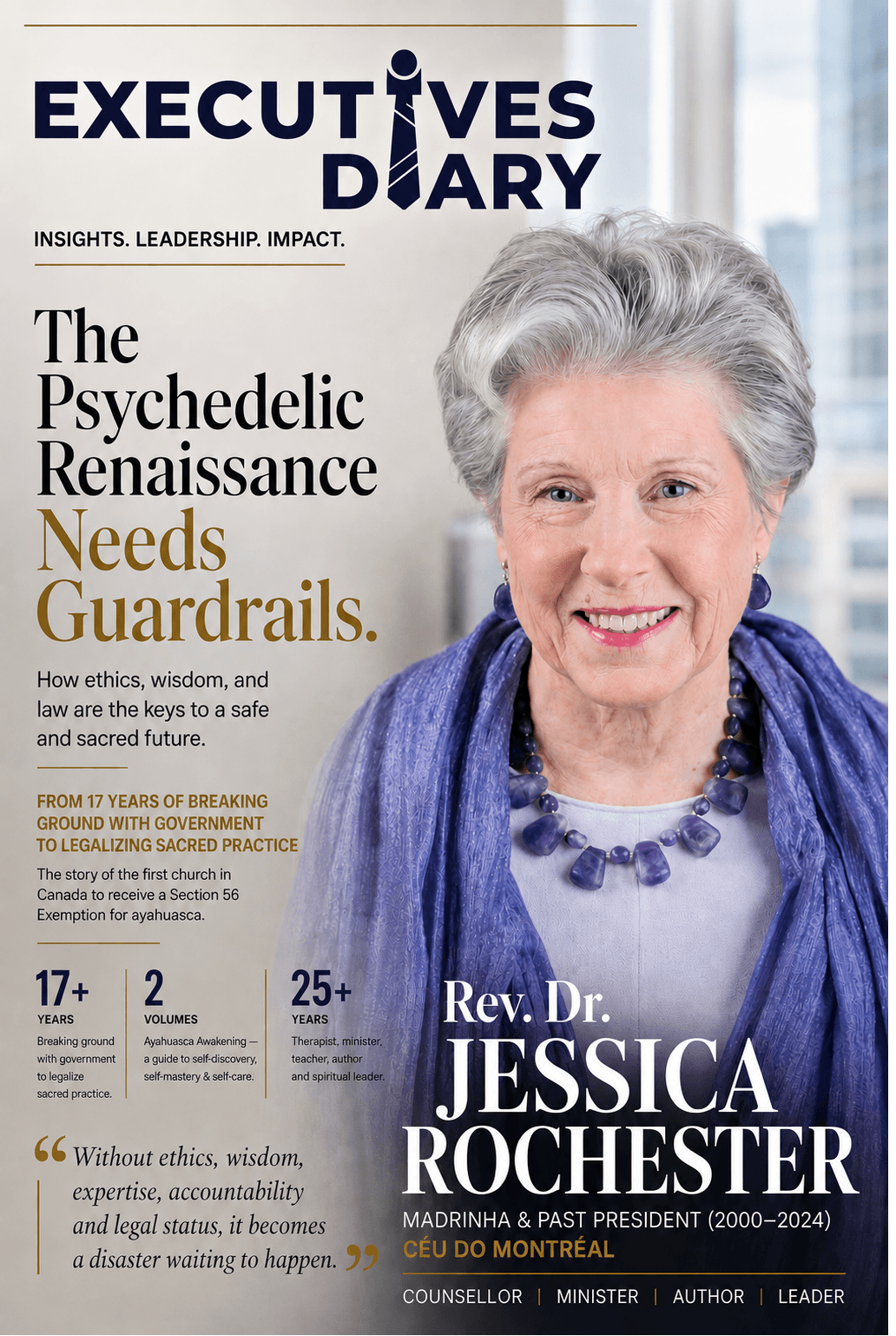
Rev. Dr. Jessica Rochester
Won’t Let the Psychedelic Renaissance Run Wild.The psychedelic renaissance is real. Research institutions publish landmark studies. Clinics open their doors. Investors circle. Governments that spent decades criminalizing plant medicines suddenly express curiosity about their therapeutic potential. The cultural moment feels, to many working in this space, like vindication.
Rev. Dr. Jessica Rochester is not celebrating yet. She welcomes the global boom, but in the next breath warns that without ethics, wisdom, expertise, accountability and legal – status , it becomes a disaster waiting to happen. She spent decades proving that heritage sacred practices could coexist with federal law. Now that the gates are open, she watches underground, inexperienced operators rush in without the guardrails that keep people safe.
Rev. Dr. Jessica Rochester is the Madrinha and past President (2000 – 2024) of Céu do Montréal, the Santo Daime church she founded in Montreal in 1997, and the author of the two-volume work “Ayahuasca Awakening.” She is the rare spiritual leader who treats government regulation as a necessary component of sacred practice, and she is actively working to prevent the field from losing its soul to commercial enthusiasm.
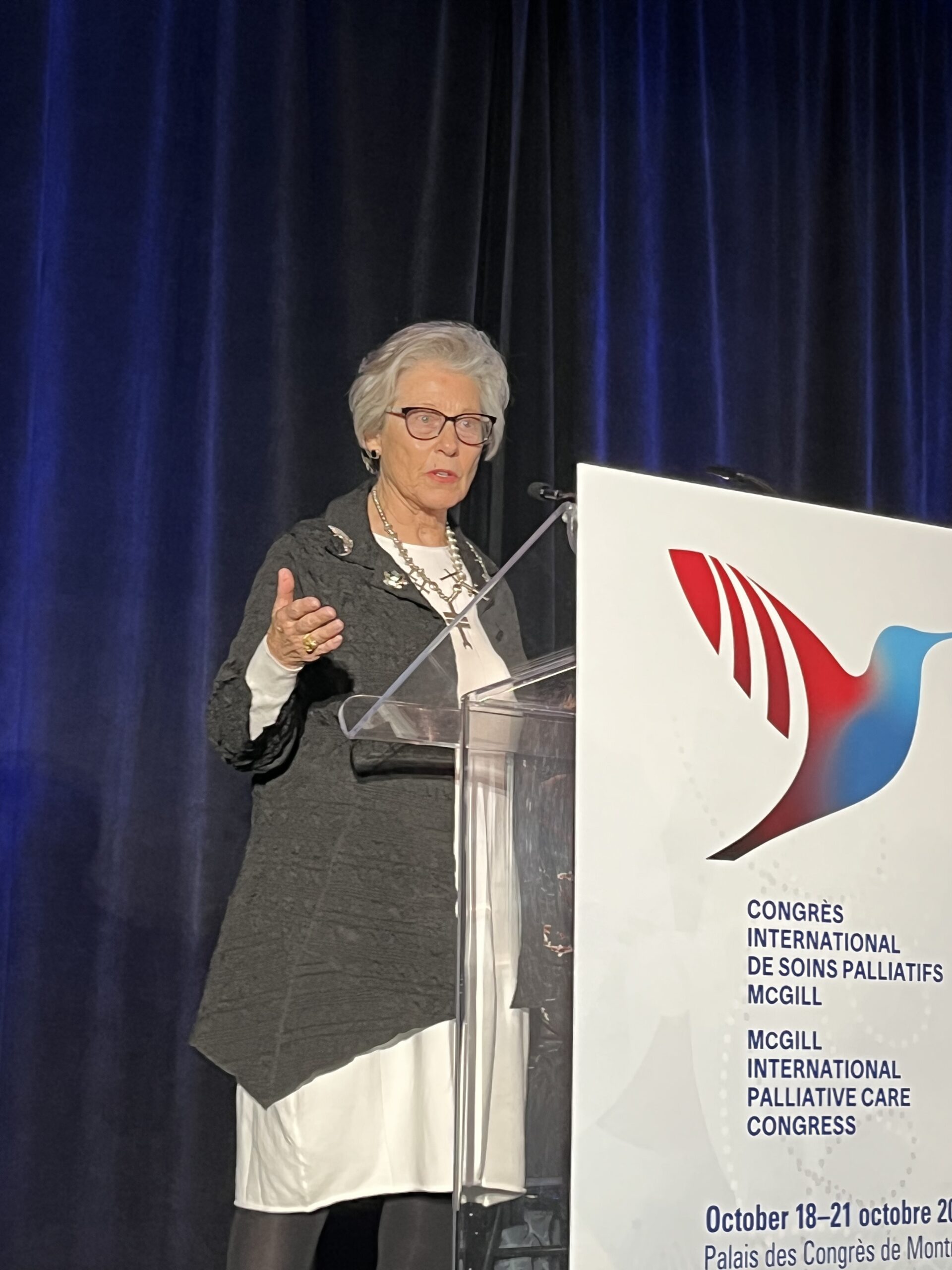
Her path to that conviction began long before the term “psychedelic renaissance” existed. In the 1980s and 1990s, she worked as a transpersonal therapist, leading workshops and maintaining a private practice from 1986 to 2018. Her training reflected a sophisticated understanding of human consciousness that went far beyond conventional psychology. She studied in the work of Dr. Roberto Assagioli, founder of Psychosynthesis, and trained directly with Dr. Stanislav Grof, whose lifetime research in non-ordinary states of consciousness shaped much of the current field.
Later, she formalized her spiritual calling through ordination as an interfaith minister with All Faiths Seminary International and earned a Doctorate in Divinity from Commonwealth Open University. These credentials were not academic exercises. They represented her commitment to bringing institutional legitimacy to work that Western culture had no framework for understanding.
The founding of Céu do Montréal in 1997 tied those strands together and made her work intensely practical. As Madrinha, she stepped into responsibility not just for individual clients, but for an entire spiritual community dedicated to the Santo Daime tradition and its sacrament, the Daime, also known as ayahuasca. That decision meant developing foundation documents and protocols to bridge a Brazilian, and mostly oral, tradition into Canadian culture: codifying the Tenets of the Faith, writing a Code of Ethics, upgrading visitor’s screening and followup, as well as administrative requirements; bylaws, safety protocols, and crucially, the law.
There was no clear path for a church in Canada to import and serve ayahuasca legally. So she created one, slowly and methodically.
From 2000 to 2017, Rochester engaged with Health Canada to secure a Section 56 Exemption under the Controlled Drugs and Substances Act. Seventeen years of bureaucratic dialogue, documentation, and education. While others in similar traditions operated underground or avoided government contact entirely, she knocked on the front door and stayed until the rules changed.
Her approach required remarkable strategic intelligence. “Paramount was to work with the government, to see the issue through their eyes, and to understand what they needed to develop regulations that would respect our tradition and the health and safety requirements of Health Canada,” she explains.
She did not arrive with demands or protests. She came with education. She had to start at the very beginning, explaining why human beings seek non-ordinary states of consciousness and how they can be held responsibly. “There are no NOSC practices as part of everyday Western culture, so we had to help the government see the Santo Daime as a legitimate spiritual tradition, and show that our practices are accountable to the wellbeing of our congregation.”
That meant translating profound spiritual experiences into language policy makers could work with. She provided scientific research, submitted safety protocols, and demonstrated that her community maintained rigorous standards for participant wellbeing. The exemption was granted, creating a template for what licensed ritual practice could look like in a country where non-ordinary states had been treated purely as pathology or crime. She has much gratitude to all the people who supported and contributed to these efforts, through their time, energy, expertise and fund-raising to cover legal expenses.
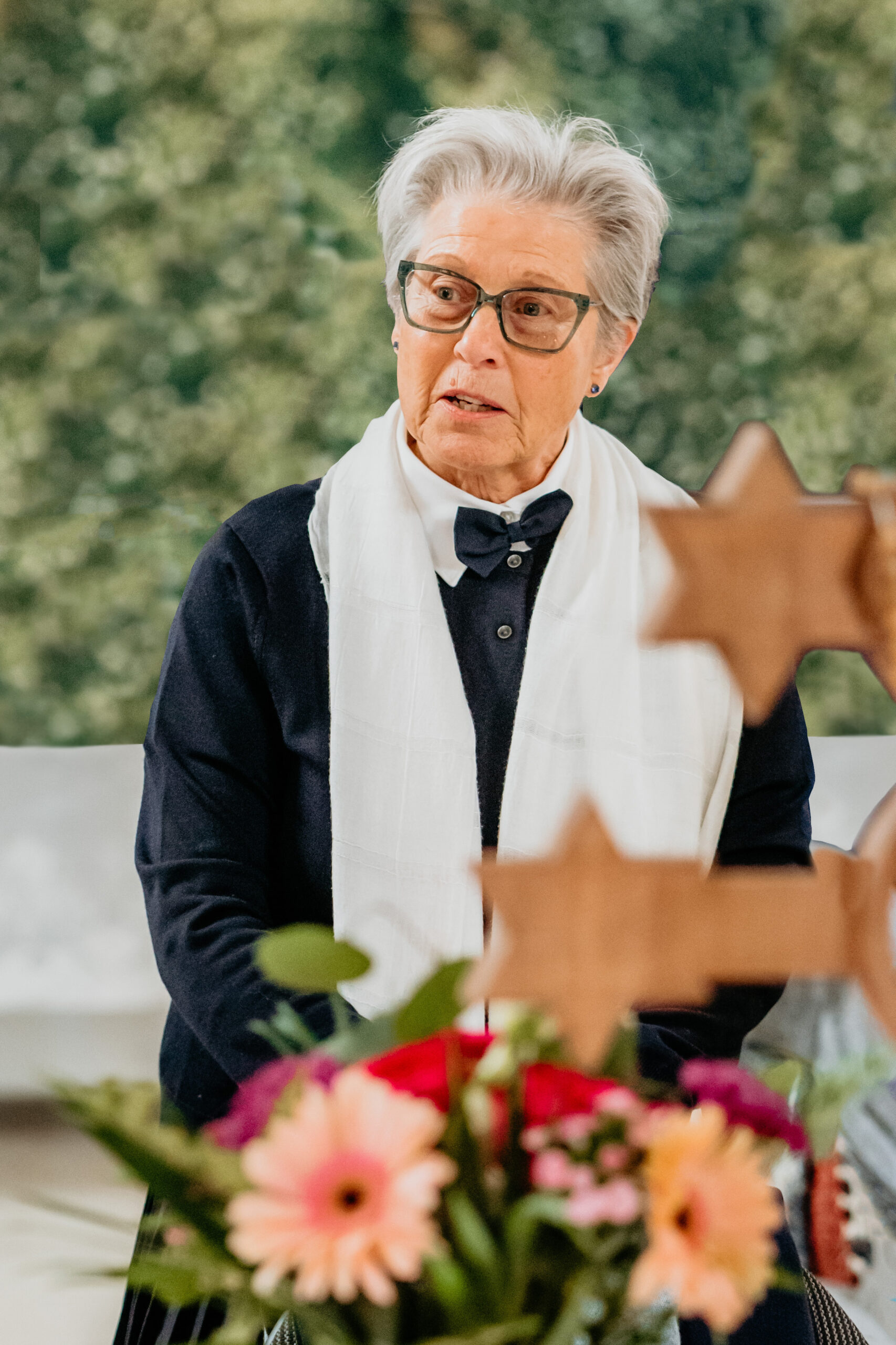
Now, as the field explodes globally, her focus has shifted from access to accountability. Her two-volume series, “Ayahuasca Awakening: A Guide to Self-Discovery, Self-Mastery and Self-Care,” addresses a dangerous gap she witnessed firsthand. “At the time of writing my books, guidelines for practitioners and participants were limited. Many people working with these substances are unaware of the profound awakenings that can occur, some of which may take time and skill to integrate.”
The books provide what she calls a cartography of the self, practical frameworks for understanding the psychological and spiritual material that surfaces in non-ordinary states, and detailed guidance for the crucial work of integration that happens after ceremonies end. Her concern extends beyond acute crisis to the quieter, longer process that determines whether powerful experiences become stabilizing or destabilizing.
Her current work operates at institutional scale. Céu do Montréal now runs a fieldwork program for graduate and postgraduate students in psychedelic studies, affiliated with multiple Canadian universities. In 2019, the Centre hosted the first ayahuasca conference in Canada. This June, the Centre will be featured in an exhibition on entheogens and psychedelics at the Royal Ontario Museum, introducing broader audiences to approaches grounded in heritage traditions rather than commercial trends.
She continues to push for structural change at the national level. As lead author on “Entheogens and Psychedelics in Canada: Proposal for a New Paradigm,” published in The Canadian Journal of Psychology, she and colleagues proposed a National Advisory Council to work with Canada’s Office of Controlled Substances on responsible use across ritual, research, and clinical contexts.
“My sincere hope is for the continuance of authentic, ethical and accountable licensed practices, in heritage ritual traditions and clinical use,” she says. “This has the best opportunity if we take responsibility for ensuring best practices regarding risks and benefits.”
What connects all of this work, from church to clinic to museum to government office, is her conviction that physical, emotional, mental, and spiritual health cannot be separated. “When we commit to authenticity, accountability and wellness then we provide the best opportunity for the experience of wholeness and wellbeing.”
The psychedelic renaissance will continue with or without her approval. But the researchers, clinicians, and practitioners who understand what they are actually holding know whose work laid the foundation they are standing on. She did not wait for the world to take this seriously. She built the case, earned the credentials, fought the regulatory battles, wrote the guidelines, and trained the next generation while everyone else was still deciding whether the conversation was worth having.
She is proof that the future of psychedelics belongs to whoever can hold spirituality, deep personal exploration, science and law in the same steady hand.