
A Biography by Executives Diary Magazine
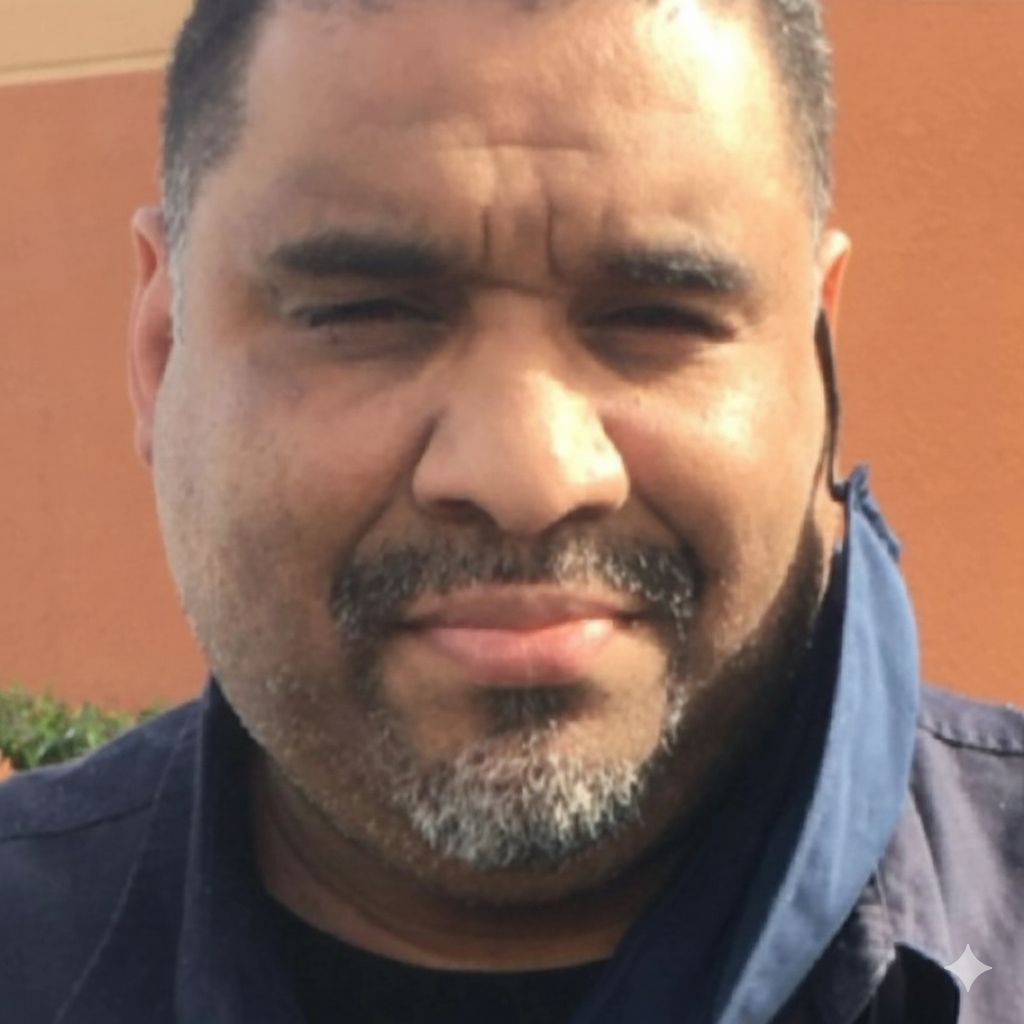
James Gonzales: The Transformational Leader
James Gonzales is the Founder and CEO of Pathways to Services Development, a Fremont-based nonprofit committed to transforming recovery, reentry, and homelessness support through lived experience and trauma-informed care. A former two-striker who rebuilt his life through faith, accountability, and service, James now leads a growing movement focused on stability, purpose, and human dignity. His work bridges the gaps traditional systems overlook and empowers individuals to rise beyond their past and build lasting change.
Rising From the Divide
There are moments in life when a single decision becomes the dividing line between who we were and who we choose to become. For James Gonzales, that line was not drawn in a boardroom or at the height of a successful career. It was drawn in the shadows of addiction, incarceration, and trauma that left both visible and invisible scars. His transformation did not begin with opportunity. It began with surrender. It grew out of the realization that the pain he survived could either define him or drive him. What he did not know then was that this awakening would one day shape a movement for individuals who stand at their own dividing lines, searching for a way forward.
Today, James is the Founder and CEO of Pathways to Services Development, a 501(c)(3) nonprofit in Fremont, California, dedicated to reshaping how communities support individuals navigating addiction recovery, reentry, homelessness, and trauma. His leadership was not built through titles or privilege, but through lived experience, resilience, and a commitment to transformation. His story reflects a deeper truth. Some leaders rise because they are prepared. James rose because he survived.
Growing Up in the Gaps
James was born and raised in Oakland, a city known for its resilience, cultural depth, and grit. His early years were shaped by instability, addiction within his household, and the absence of a father. Through it all, his grandmother became his source of structure and guidance. Some of his most important childhood lessons were taught through difficult moments, including the time he was caught stealing and his grandmother made him return the items. On another occasion, after running off in anger, his leg was run over. These experiences showed him the realities of consequences and accountability long before he fully understood them.
As he grew older, the streets became another classroom. Trauma layered in ways that shaped his choices and worldview. Addiction eventually entered his life, followed by incarceration. James became a two-striker in California, a status often associated with limited hope and a tightening future. Yet within the chaos, a small, stubborn belief remained. Life could look different. He could become someone beyond the circumstances that tried to shape him.
This belief would later become the foundation of his purpose.
From Breaking Point to Breakthrough
James’s path to recovery was not a single turning point but a long, demanding climb. It required humility, honesty, and the courage to confront the pain he had spent years trying to outrun. In rebuilding himself, he learned to show up for his healing before he could show up for others. Faith eventually became one of the strongest anchors in his transformation. A vital part of James’s recovery story is the unwavering support of his children and his fiancée. Both he and his fiancée entered recovery around the same time, and she has been, in his words, a steady and grounding force, a partner whose strength and encouragement helped reinforce his commitment to remain on the right path. It gave him stability when the future was uncertain and helped him reimagine what his life could become.
As he stepped back into society, James found work in direct services with organizations such as La Familia Counseling Services and Abode Services in Alameda County. These roles were not just jobs. They were experiences that allowed him to understand the human side of systems meant to serve people in crisis. He supported youth, families, and individuals fighting through homelessness and instability. He saw how people could slip through the cracks not because they lacked effort, but because systems lacked continuity.
This understanding revealed an overlooked truth. Support systems often focus on immediate crisis or long-term placement, but they neglect the critical middle stage. People who are sober, motivated, and committed to change often lack stable housing, structure, and ongoing support while waiting for long-term placement. This gap became the heartbeat of James’s mission and the foundation of Pathways to Services Development.
Building a Movement Rooted in Lived Experience
Pathways to Services Development grew from James’s belief that lived experience is not a liability. It is leadership. His nonprofit focuses on helping individuals who have already begun their healing but need support to maintain their progress. It is designed for people who are already working hard, showing consistency, rebuilding hope, and taking responsibility.
James’s voice carries credibility because he understands the journey firsthand. His message is clear and direct: “Your recovery should not fall apart because the calendar ran out.” Many people complete treatment programs only to face strict time limits that leave them without a place to go. Housing matches often take more than a year, while shelter stays last only a few months. The result is a cycle that can destroy progress. James refused to accept that.
His voice reflects the core of his work.
“Addiction never starts on its own. There is always a story behind it, and most of the time that story is trauma.”
“Your story is not over. You are not done. You still have time to become who you were meant to be.”
“People will remember how you made them feel before they remember what you tell them.”
These insights guide Pathways’ approach, which prioritizes trauma-informed environments, peer mentorship, emotional recovery, spiritual growth, and the rebuilding of core beliefs. Transformation Homes, currently in development through the Path to Purpose Initiative, will offer structure, support, and dignity for individuals committed to long-term change. Pathways to Services Development is still in its building phase, with key pieces actively coming together. While the organization is not yet open to the public, James and his team are preparing to launch their first pilot program in 2026. Individuals and partners who want to follow the progress can visit the official website at PathwaysEmpowers.org. Every element of the organization reflects James’s belief that progress is most powerful when it is personal.
Leadership Built on Purpose
James is a CALMHSA Medi-Cal Peer Specialist, a recovery mentor, and a strategist grounded in lived experience. He combines emotional intelligence, spiritual grounding, and strategic thinking to build programs centered on healing and accountability. Two of his most influential books, The 48 Laws of Power and The Purpose Driven Life, mirror the balance he strives for: disciplined structure paired with clarity of purpose.
He often reflects on his journey with humility.
“My purpose is not only about what I want to do. It is about what I am meant to do.”
This philosophy guides how he leads his team, engages with the community, and shapes Pathways’ programs. James understands that people need structure, but they also need connection. They need truth, but they also need compassion. They need accountability, but they also need dignity.
Building What the System Forgot
James’s long-term vision extends beyond traditional programs. He is building the Pathways Empowerment Center, a community hub that will offer support groups, life skills classes, crisis navigation, spiritual coaching, and leadership development. All services will be led by individuals who have walked the path themselves. His goal is to reshape how society sees people in recovery and reentry. Instead of viewing them through the lens of their past, he wants communities to see who they are becoming.
He often reminds others that real change begins privately.
“Real growth doesn’t start when people are watching. It starts in quiet moments when you hold yourself accountable.”
James believes Fremont and its surrounding communities deserve solutions that respect the complexity of people’s lives. His work remains grounded in a simple principle. Every person deserves the chance to rebuild with dignity, stability, and purpose.
Editorial Note:
James Gonzales’s story is a testament to the strength of the human spirit. It challenges readers to rethink what transformation truly looks like and proves that purpose can rise from the most difficult circumstances. His life reminds us that the people once counted out often become the visionaries who build what society needs the most.
For leaders, partners, and community members who believe in compassion, accountability, and lived experience as pathways to change, James invites you to connect with Pathways to Services Development. The system will not evolve on its own. It evolves when individuals come together with courage, truth, and a commitment to building something better.
James Gonzales rose from the divide. Now he is helping others rise with him.