Dr. Joshua Thayer – Leadership Defined by Integrity, Not Visibility
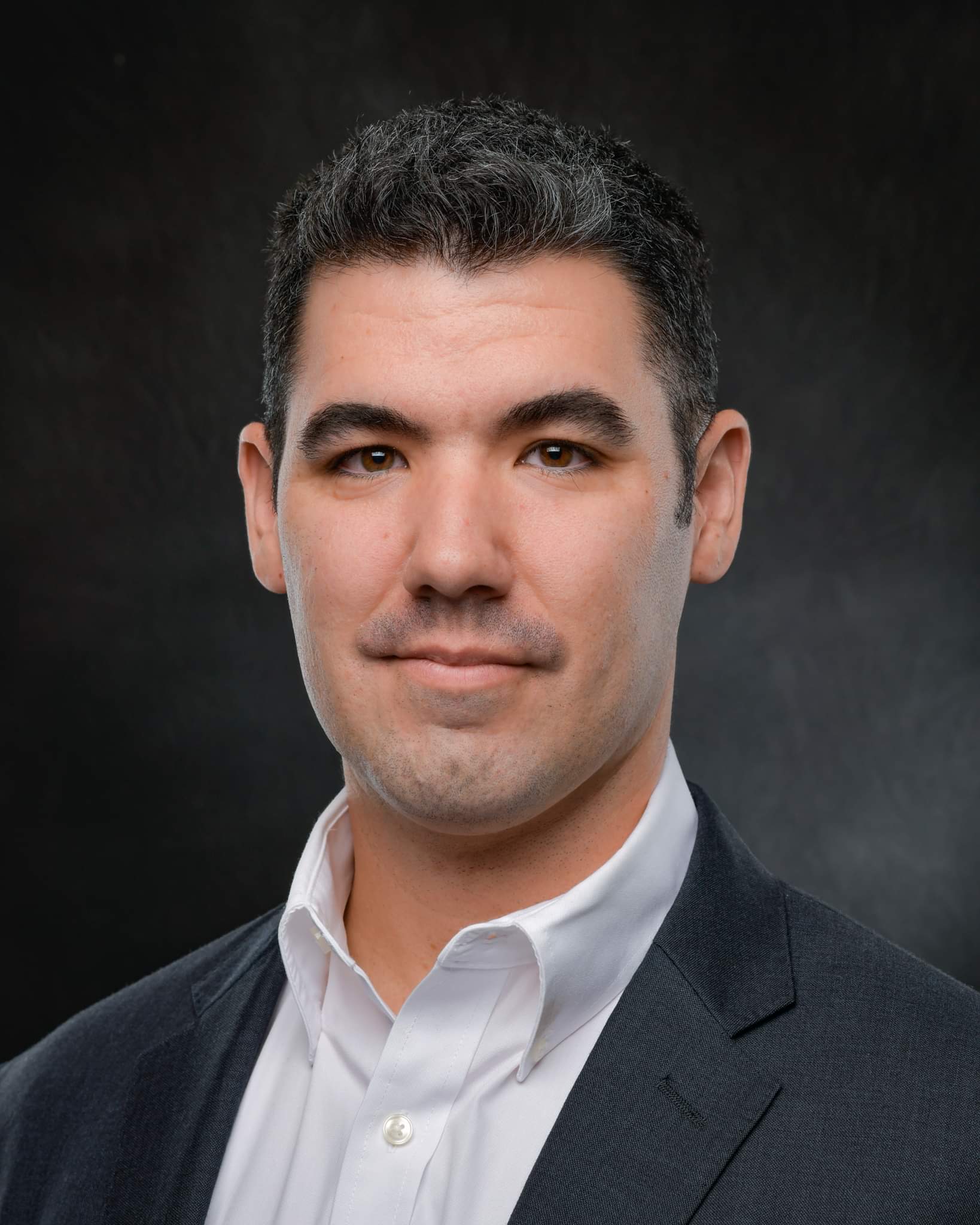
Dr. Joshua Thayer is a senior intelligence and workforce strategy leader with nearly two decades of service in the United States Air Force. Known for his human centered approach to leadership, he has shaped policy, talent development, and culture across large global organizations. Guided by his GUIDE principles, Thayer focuses on developing people, strengthening trust, and leading with discipline, integrity, and purpose when it matters most.
Nineteen years into service, the question changes. It is no longer can I do this or am I ready for the next challenge. Instead, it becomes quieter and heavier. Does staying still serve the mission, or does integrity require a different path forward?
For Dr. Joshua Thayer, that question did not arrive all at once. It formed gradually through years of deployments, leadership decisions made far from the spotlight, and the responsibility of shaping the lives and careers of Airmen who trusted him to lead with clarity and care. At this stage of service, leadership is no longer about ambition or rank. It is about honesty. Honesty with oneself. Honesty with the mission. And honesty about what still needs to be given.
Where Showing Up Became a Value
Dr. Thayer’s leadership philosophy did not begin in a headquarters office or on a deployment order. It began in St. Albans, Vermont, a small farm town where service, reliability, and hard work were not abstract concepts but daily expectations. In a family that valued commitment and accountability, he learned early that showing up mattered. Not just when it was convenient, but especially when it was not.
Those early lessons shaped how he would later view leadership. Long before the military became his second family, the principles of integrity and responsibility were already ingrained. You did what you said you would do. You showed up for people who depended on you. You took ownership of your actions.
When Dr. Thayer entered the United States Air Force, those values found a natural home. The structure, standards, and sense of purpose aligned with what he already believed. Over time, the uniform reinforced what his upbringing had taught him. Leadership was not about authority. It was about trust.
Education became another pillar of that foundation. Driven by a desire to understand leadership beyond experience alone, he pursued advanced academic study, earning a Doctor of Management in Organizational Leadership. His academic focus on organizational psychology gave language and structure to what he had lived in practice. It deepened his understanding of culture, followership, and the human dynamics that determine whether teams merely function or truly thrive.
Leadership Forged Through Responsibility
Over nearly two decades in uniform, Dr. Thayer’s career evolved alongside the missions he supported. His operational experience includes deployments in support of Operations Iraqi Freedom, Enduring Freedom, and Inherent Resolve. In each environment, the margin for error was narrow, and the cost of poor leadership was real.
Those experiences shaped his belief that leadership is most clearly revealed under pressure. Discipline, he learned, is not about restriction. It is about preparation. When leaders are disciplined in the fundamentals, they gain the freedom to adapt when chaos hits. This belief would later become one of the core tenets of his leadership philosophy.
As his responsibilities grew, so did his impact. In senior intelligence and workforce leadership roles, Dr. Thayer became known not only for operational credibility, but for his ability to translate experience into systems that developed others. He advised senior leaders on workforce strategy, talent development, and policy, helping align training and career pathways with the future needs of the Air Force.
In one role alone, he helped shape strategy for an intelligence workforce of more than twenty three thousand personnel. In another, he served as an executive advisor overseeing global teams across multiple technical disciplines and locations, managing substantial budgets while maintaining focus on the people behind the numbers.
Yet even at higher levels of responsibility, his leadership style remained consistent. He believed that results mattered, but how those results were achieved mattered more. Former colleagues and direct reports consistently pointed to his ability to combine strategic vision with genuine care for people.
One senior peer described him as a visionary mentor whose passion for developing others strengthened organizational resilience and elevated every mission he touched. A former direct report credited Dr. Thayer’s leadership and communication with helping him overcome adversity and develop an operational leadership mindset, noting that his mastery of leadership and management surpassed expectations.
These endorsements were not the product of charisma or self promotion. They reflected years of consistent behavior. Staying late to help an Airman who was struggling. Owning mistakes before anyone asked. Holding standards even when it was uncomfortable.
GUIDE as a Leadership Framework
Over time, Dr. Thayer distilled his leadership approach into what he calls the GUIDE principles. Grit. Unity. Integrity. Discipline. Enthusiasm. These are not aspirational slogans. They are survival tools forged through experience.
Grit, for him, is not about dramatic perseverance. It is about showing up on day forty seven of a sixty day problem with the same commitment you had on day one. It is quiet endurance without recognition.
Unity means putting the mission above ego. It means building teams that win together and refuse to fracture into silos. From flight lines to staff environments, he saw firsthand that missions fail when unity fails.
Integrity is the heaviest principle. It is doing the right thing when no one is watching and owning it when you fall short. Dr. Thayer has often reflected that integrity is tested most when silence would be safer. Yet trust, once built through integrity, becomes the currency of leadership.
Discipline is the foundation that creates freedom. The discipline to prepare, to maintain standards, and to have hard conversations gives leaders the confidence to act decisively under pressure. As he often says, discipline is not restriction. It is liberation.
Enthusiasm is the choice to bring energy and purpose even when the mission is hard. It is recognizing that leaders set the emotional tone for their teams, especially during uncertainty.
These principles extend beyond his military role. As an adjunct faculty member teaching graduate business students, Dr. Thayer brings the same emphasis on accountability, empathy, and development into the classroom. His goal is not simply to teach theory, but to prepare future leaders to navigate complexity with character.
The Human Side of Leadership
Despite his professional accomplishments, Dr. Thayer is candid about the personal cost of service. Balance, he acknowledges, is not something the military makes easy. Deployments and mission demands do not pause for family life.
Over time, he has come to see balance not as perfection, but as presence. Being fully engaged where you are. Giving your best to the mission when required, and being truly present with family when the moment allows. In his current role, he has learned to slow down in ways he once could not, and to appreciate moments that earlier in his career passed too quickly.
This perspective informs how he mentors others, particularly those approaching the same crossroads he now faces. The point in a career where leaders must decide whether to pursue the next rank or the next chapter. He speaks openly about this tension, not as a sign of disloyalty, but as an act of integrity.
Vision for the Future
Standing at nineteen years of service, Dr. Thayer reflects less on what he has achieved and more on the legacy he is shaping. He believes leadership is ultimately measured not by what appears in evaluations, but by what teams remember long after leaders move on.
One of his guiding personal truths captures this belief clearly. Your integrity is tested most when no one is watching, and your leadership is measured by what your team remembers, not what your bosses see.
As he looks ahead, his focus remains on developing people, strengthening culture, and having the courage to evolve when growth demands it. Whether in continued service, education, or future leadership chapters yet to be written, the principles that have guided him remain unchanged.
Leadership, in his view, is not about perfection. It is about consistency. About showing up. About developing others. And about making hard decisions with honesty and courage.
Editorial Note
Dr. Joshua Thayer’s journey is a reminder that the most enduring leadership is often quiet, principled, and deeply human. In an era that rewards visibility, his story challenges leaders to reflect on the unseen moments that truly define their impact.
For readers standing at their own crossroads, his example offers a question worth considering. What does integrity require of you next, and are you willing to answer it honestly?