Kunio Hara | Founder of Ho-Me-I-Ku Foundation | Global Leadership Educator | Creator of Praise-Based Leadership Method | TEDx Speaker & Author
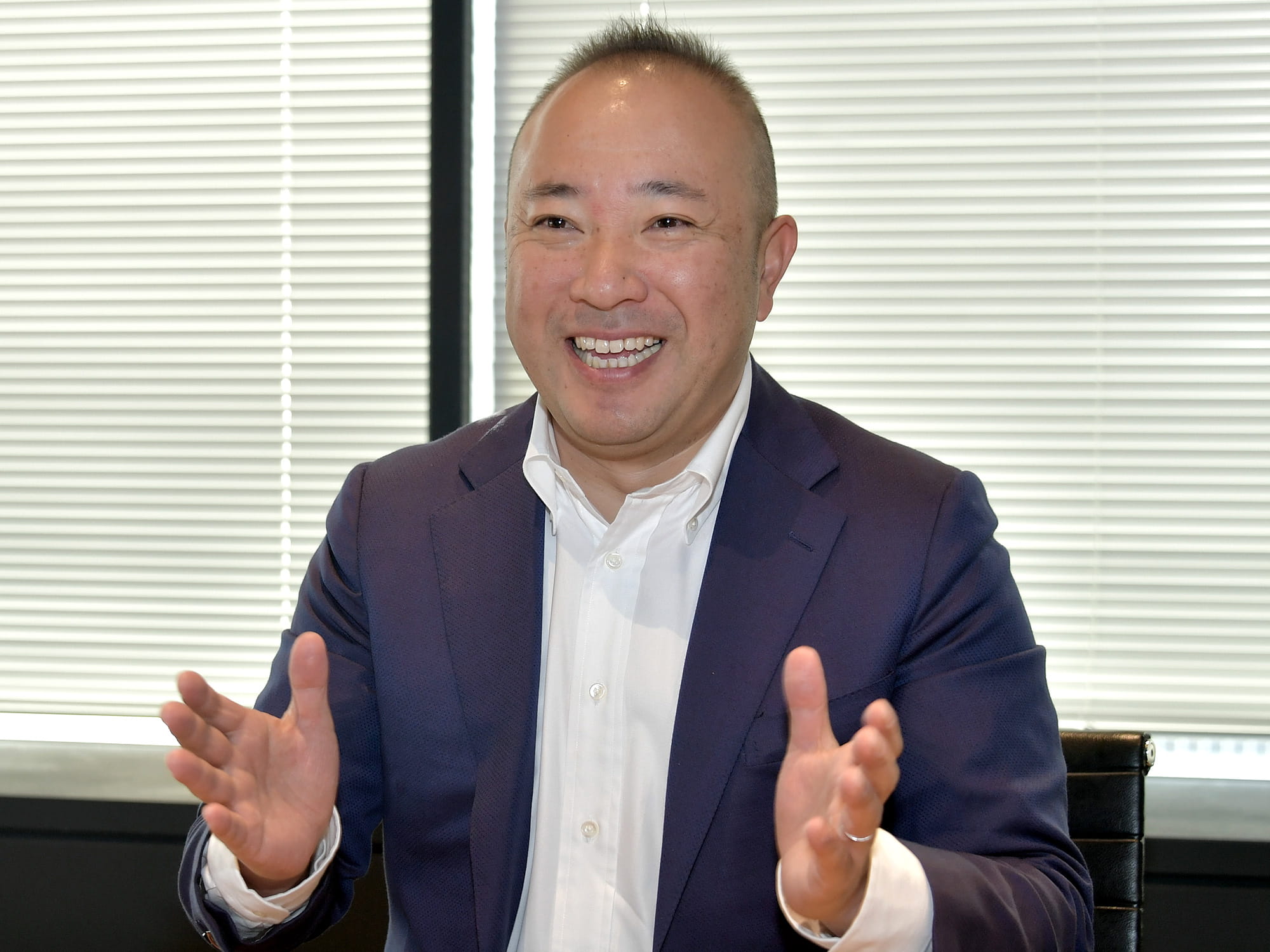
Meet Kunio Hara from Hyogo Prefecture, Japan.
He is the founder of the Ho-Me-I-Ku Foundation and a global leadership educator.
Through his praise-based methodology, he empowers organizations, educators, and communities worldwide.
Early Life and Education
Meet Kunio Hara from Hyogo Prefecture, Japan. Born into a Christian family in 1973, he grew up surrounded by encouragement and praise. His parents, Michihiko and Motoko, instilled the value of acknowledging others and nurturing confidence from an early age. Hara’s maternal grandfather, a scientist, taught him the importance of recognizing the contributions of others, shaping the foundation for his future philosophy.
Hara pursued his education at the Osaka Institute of Technology, earning a bachelor’s degree in Applied Chemistry in 1996. Though his field of study was scientific, the lessons of discipline, precision, and observation would later influence his innovative approach to leadership and education.
Early Career and Turning Points
After graduation, Hara began his professional journey at Nihon Shokken Holdings Co., where he learned the fundamentals of corporate operations. In 2001, he transitioned to Funai Consulting Inc., aiming to build a career in management consulting. However, despite his technical skills and dedication, he struggled to make a lasting impact.
Hara later reflected on this period as formative:
“I realized that true leadership isn’t just about knowledge or strategy; it’s about understanding people and helping them grow.”
Seeking hands-on experience, Hara made an unconventional move in 2002 by joining a ramen shop as a dishwasher. Over time, he rose to manager, confronting firsthand the challenges of motivating a team. Initially, he tried traditional methods of discipline, but turnover and frustration persisted. The turning point came when he remembered the lessons of praise from his childhood. By recognizing employees’ contributions and celebrating their successes, he noticed improved morale, higher productivity, and stronger engagement. This experience became the seed of what would evolve into the Ho-Me-I-Ku philosophy.
Creation of Ho-Me-I-Ku
Hara systematized his approach into a structured methodology called Ho-Me-I-Ku, combining praise, psychology, and brain science. The philosophy centers on highlighting strengths, guiding improvements, and celebrating progress, rather than focusing solely on mistakes.
He explained,
“We need to see the virtues and make standards for praising. Praise five good points and scold once; scolding carries expectations, not criticism.”
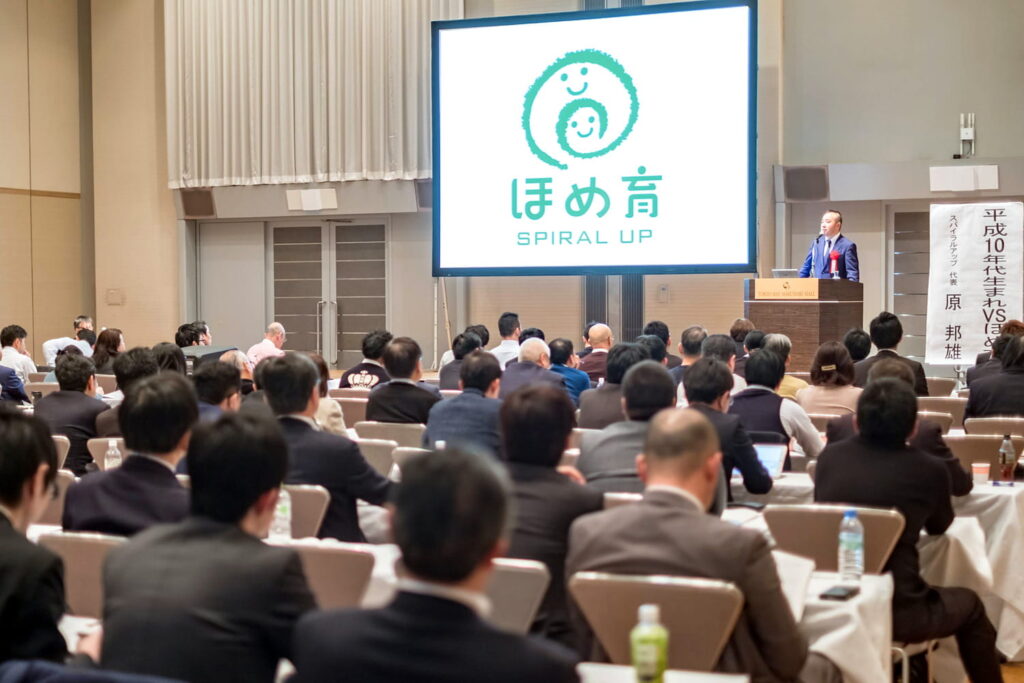
By 2007, Hara began implementing Ho-Me-I-Ku in businesses across Japan. His approach quickly gained recognition for its ability to reduce turnover, improve performance, and enhance workplace culture. In 2011, he established Spiral Up Co., formalizing his consultancy and leadership training services, followed by the Ho-Me-I-Ku Foundation in 2015, which expanded his reach globally.
Global Expansion and Influence
Hara’s philosophy has resonated far beyond Japan. Today, Ho-Me-I-Ku has been introduced to over 600 companies and educational institutions in more than 20 countries, including the United States, China, India, Singapore, Thailand, and Australia. He has delivered seminars in multiple languages, demonstrating the universal appeal of praise as a tool for personal and organizational growth.
He has also become a prominent TEDx speaker, recognized as the most viewed TEDx speaker worldwide in 2021 and 2022. His talks emphasize the transformative power of recognition: “People are born to be praised. Encouragement builds confidence and unleashes potential in ways that criticism never can.” Hara is also a member of the World Economic Forum and an expert at UNESCO Inclusive Policy Lab, platforms that allow him to influence global leadership and education strategies.
Philosophy and Leadership Principles
At the core of Hara’s work is the belief that praise is a catalyst for growth, whether in the workplace, classroom, or family. Ho-Me-I-Ku emphasizes understanding cultural and organizational contexts, ensuring that recognition is meaningful and tailored. He has said, “Each country is different, so the standard should also be designed differently. Praise must be authentic to inspire real change.”
This philosophy has been translated into 31 books, available in English, Chinese, Korean, Spanish, and Thai. Through his online programs, seminars, and media appearances, Hara empowers leaders, teachers, and parents to cultivate positive environments that nurture talent and confidence.
Charitable Work and Social Contributions
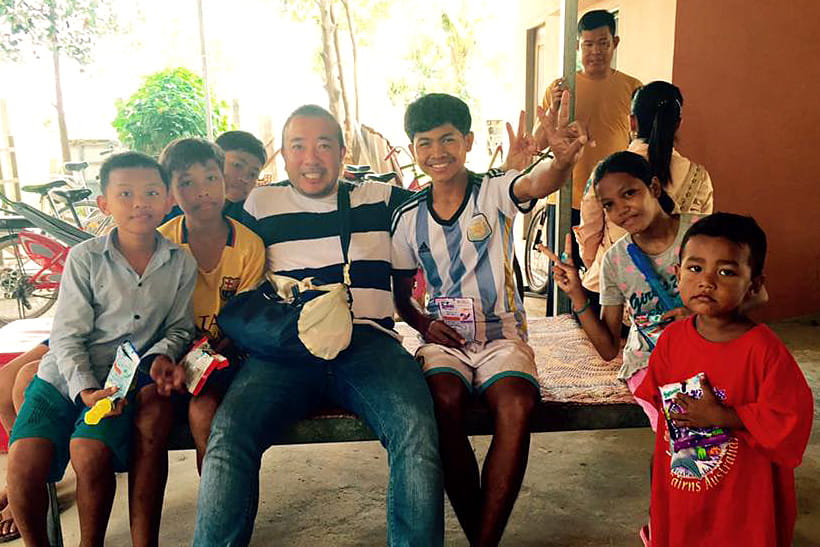
Beyond corporate and educational consulting, Hara has actively engaged in social impact initiatives. In 2016, he traveled to Cambodia, witnessing children living in extreme poverty. Motivated to act, he supported school construction projects and continues to contribute to children’s homes in Cambodia, India, and Japan. His foundation ensures that part of the profits from his programs directly benefits future generations, reflecting his commitment to a global cycle of support and encouragement.
Personal Life and Hobbies
Hara is married to his junior high school classmate and is a father of two daughters. Outside of his professional work, he enjoys triathlons, playing piano, and exploring culinary experiences, balancing his global initiatives with personal wellness and family life. His personal motto, “Where there is a will, there is a way,” captures the determination and optimism that has guided his journey.
Vision for the Future
Looking forward, Hara aims to integrate Ho-Me-I-Ku principles with AI systems and expand his philosophy through e-learning and digital platforms. His vision is a world where recognition and praise are central to human development, across workplaces, schools, and societies. “If we focus on who we can help and how, the world becomes a better, more interesting place,” he notes, reflecting his enduring commitment to empowerment and leadership.
The Nectar of Wisdom from Kunio Hara’s Journey
- Embrace praise as a tool for growth – “People are born to be praised. Encouragement builds confidence and unleashes potential.”
- Turn challenges into opportunities – From consulting struggles to restaurant management, he found lessons in every setback.
- Systematize recognition – “Praise five good points and scold once; scolding carries expectations, not criticism.”
- Adapt globally – Ho-Me-I-Ku standards must respect cultural differences for authentic impact.
- Lead with purpose – “If we focus on who we can help and how, the world becomes a better, more interesting place.”
Editorial Note:
Kunio Hara exemplifies how vision, persistence, and empathy transform leadership. His philosophy goes beyond business, shaping communities worldwide. Through Ho-Me-I-Ku, he inspires a culture of recognition, growth, and positive influence.