
The Clause That Cost Nine Months
The email arrived quietly, the way most expensive mistakes do. A hedge fund with years of experience in three other asset classes had spent nine months preparing to enter a new European power market. The infrastructure was built. The strategy was priced and ready to go live. Then a single clause in the local market code surfaced, one that barred assetless traders from participating in the market at all.
Nobody had lied. Nobody had cut corners. The team had simply assumed that a market they understood in theory would behave the way they expected in practice. It didn’t. By the time the gap became visible, the firm had already lost months and a meaningful amount of money finding that out the hard way.
This is the exact moment when the phone tends to ring for Eszter Pontenagel.
An Obsessive Refusal to Guess
Eszter Pontenagel is the founder and CEO of Time2Market, a market access firm in Aalborg, Denmark, that has guided hedge funds, investment banks, and commodity trading houses through more than 350 market entries across European power and gas markets. Her defining trait is not speed, although her clients get plenty of that. It is an almost obsessive refusal to let a client walk into a new market on an assumption instead of an answer.
She did not arrive at this from a trading desk. She arrived from the back office, first through a bachelor’s degree in international sales and marketing, then a master’s in organizational leadership at Aalborg University. In 2013, while working toward that degree, she took a position as a student assistant in legal and market implementation at Neas Energy, the company that would later become Centrica Energy Trading.

She noticed something most graduates walk past without seeing. In an energy trading company, the desk is usually the only function that generates revenue directly. Everyone else exists to support it, and she decided to make that her entire job.
Shrinking Eighteen Months to Six
Over the following years, she moved from that student desk into roles as business developer for market access, then contract manager, then senior market access coordinator, each one adding a layer to how she understood the machinery behind a single trade. She sat between legal, risk, front office, and regulators, watching how differently each market treated the same request. Market entries that had taken eighteen months at the start of her career began taking twelve, then nine, then six.
Not because the markets got simpler. Because she stopped guessing.
That distinction, between headcount and speed, became the seed of a bigger realization. Every person hired internally to support a trading desk is paid from the same profit that desk generates, whether an active market entry is underway or not. Move that expertise outside the company instead, and it shrinks from a fixed monthly cost into something a client pays for only when they actually need it. In October 2022, Eszter Pontenagel built a company around that exact idea and called it Time2Market.
What 350 Projects Actually Teach You
Today, that company has completed more than 350 market entry projects for over 60 clients across more than 95 power and gas markets, working with hedge funds, high-frequency trading houses, investment banks, and commodity firms that, on paper, should be the last companies anyone expects to get caught out.
In practice, they are often the ones who get hurt worst.
She has watched confident, well-funded teams walk into markets they had technically entered before, only to discover the rules had quietly changed since the last time they looked. A market entered two years ago is not the same market today. Regulators update requirements, system operators adjust obligations, and a mental model that was accurate once can become a liability long before anyone notices.

One client spent nine months stalled in regulatory limbo before bringing Time2Market in. Within five months of that call, they were live and generating revenue. That is not a marketing figure. It is what happens when a team has seen the same category of mistake often enough to spot it before it lands.
When the Market Rewrites Its Own Rules
The puzzle keeps getting harder. Renewables, data centers, and batteries have added a layer of volatility to European power markets that simply did not exist at this scale five years ago. Financial players who once treated energy as another screen to bolt onto their equities or FX setup are approaching it differently now.
Time2Market’s own self-assessment tool, built from more than 300 real market entry projects, exists specifically to surface those blind spots before they turn into six-figure delays. Every question in it, as she puts it, exists because a client learned that lesson the hard way first. Clients like SmartestEnergy, a renewable energy company operating since 2001, came to Time2Market not for lack of ambition but to keep their internal focus on the business they already knew how to run well.
Protecting What Actually Matters
That is the answer to the question the stalled hedge fund never thought to ask before losing nine months. Certainty is not the same as knowledge, and in a market that rewrites its own rules every year, the two increasingly have nothing to do with each other.
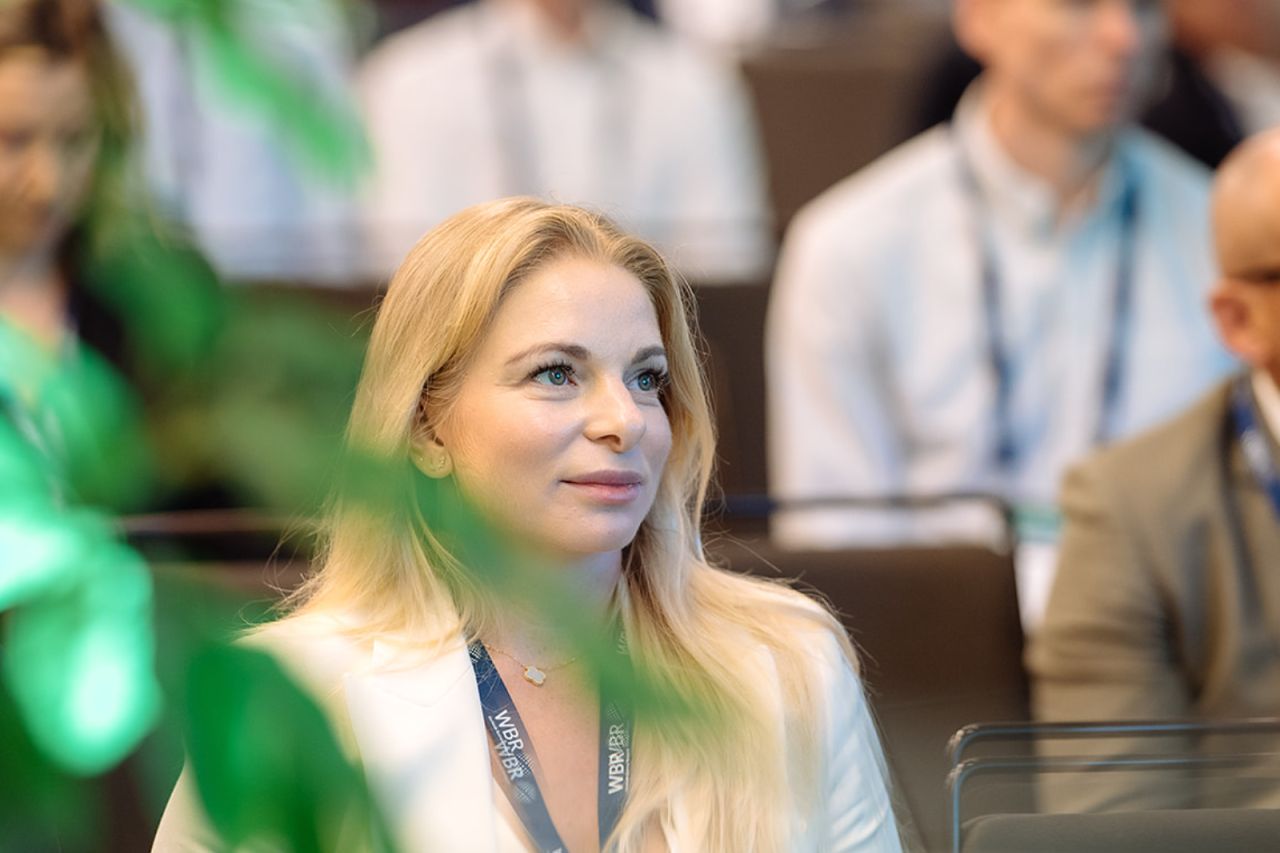
Eszter Pontenagel builds her company around that gap, but she does not let it swallow everything outside of it. After a week of client meetings and a high-performance workshop in New York, she wrote about finally jogging through Central Park, something she had wanted to do for years, before heading home to Denmark and to family, which she admitted was the part of the trip she was looking forward to most.
It is the same instinct that drives the business itself. Protect what actually matters, question what everyone else has decided is fine, and do the unglamorous work of checking before it costs someone months they never needed to lose.
The firms that come out ahead in the next decade of energy trading will not be the ones with the fastest algorithms. They will be the ones who finally learned to ask the question nobody warned them to ask.