
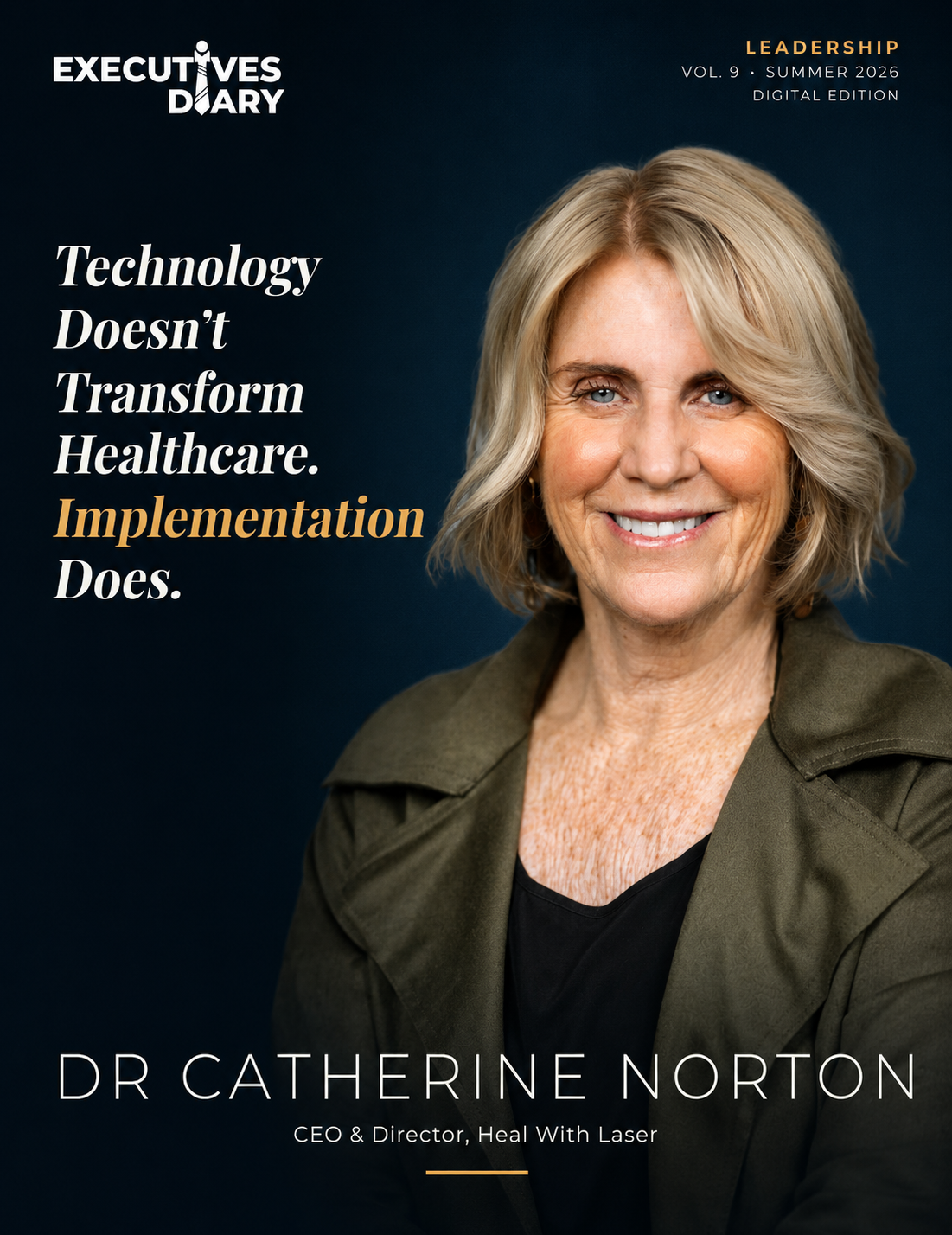
Dr Catherine Norton
on Turning Clinical Excellence into Scalable SystemsHealthcare does not transform simply because a new technology appears. It transforms when leaders create the conditions for technology, evidence and expertise to become part of everyday care.
Many of the strongest clinics begin with an exceptional clinician: someone whose judgment, care and commitment create outcomes patients remember. For Dr Catherine Norton, that individual excellence is not something to replace or constrain. It is the foundation on which enduring healthcare organisations are built.
The leadership challenge is what comes next: how can a clinic make its best clinical judgment, patient care and outcomes visible, teachable and repeatable, so more people benefit as the service grows?
For more than fifteen years, Dr Norton has applied that question to the adoption of photobiomodulation and therapeutic laser therapy across Australia and New Zealand. Yet the modality is only one expression of a broader philosophy. Her work is about translating complex evidence into patient-centred care pathways, education, governance and leadership structures that protect quality while extending its reach.
The work beneath the technology
Dr Catherine Norton works at the intersection of healthcare, communication, business strategy and operational design. With a PhD in Communication and a career that spans healthcare, manufacturing and organisational consulting, she has spent decades helping people and organisations navigate complex change.
Her background has given her a distinctive lens on healthcare innovation. While technology can create new possibilities, it does not automatically change the way care is delivered. For that to happen, clinicians need usable knowledge, shared language, practical training, sound decision-making processes and confidence in how an innovation fits their existing standards of care.
Communication, in this context, is not about making difficult ideas sound simple. It is about making them usable. It means translating evidence into decisions that clinicians can make in busy practice, and translating clinical expertise into systems that teams can understand, adopt and improve.
This work has been central to Norton’s work across consulting, manufacturing and healthcare, she has seen a common pattern: performance improves when organisations clarify what good looks like, make expertise visible and create structures that allow people to deliver it consistently.
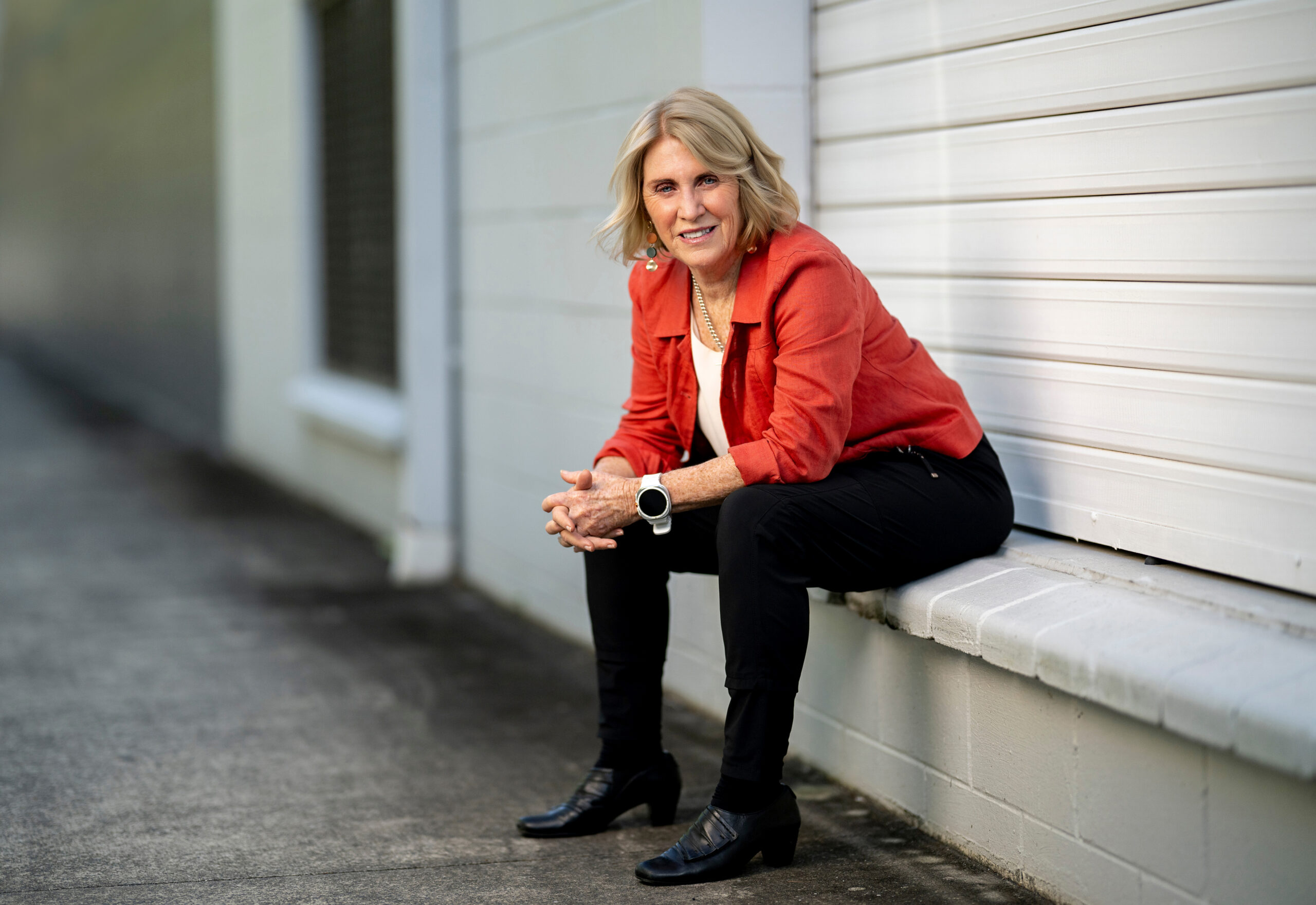
Building markets through clinical confidence
When Norton began introducing therapeutic laser therapy into the Australian market, photobiomodulation had a developing evidence base but limited local integration. There were few established referral pathways, little common language for explaining its role in care, and understandable caution among clinicians who wanted to know where it belonged within their existing practice.
The task was never simply to introduce a device. It was to build clinical confidence around a new modality: to help practitioners understand the science, identify appropriate patient groups, establish indications and contraindications, document treatment decisions and measure meaningful outcomes.
Norton has trained healthcare and dental practitioners across Australia and New Zealand in the clinical application of photobiomodulation. Her approach has consistently been to position technology within a wider model of care. A device has value only when it supports a clearly defined patient outcome and is embedded in a pathway that clinicians can use with confidence.
That approach has allowed clinics to consider laser therapy not as an isolated service or a product to promote, but as one component of a thoughtful, evidence-informed patient-care strategy.
When the light goes on
It often starts with one laser.
A clinician begins using it with the right patients and sees the difference it can make. A patient who has struggled with pain starts moving more freely. Someone sleeps through the night for the first time in months. A difficult rehabilitation case begins to shift.
Then the light goes on—not only clinically, but operationally. The clinic realises this is no longer an occasional treatment offered by one enthusiastic practitioner. Patients are asking for it. Referrers are beginning to notice. The team wants to know more.
Her answer is: “Yes. Get another laser. And let’s build the systems around it together.”
The clinicians do not need convincing that laser therapy works. They have already seen what it can do for the patients in front of them. What they need next is a way to make that value accessible to more people without losing the clinical judgement and care that made the service successful.
That means training more than one clinician. It means being clear about who is likely to benefit, how patients enter the pathway, how the team explains the service, how treatment decisions are documented, and how outcomes are reviewed.
Another laser increases capacity. The systems around it turn that capacity into a scalable, high-quality service.
The goal is not simply to provide more treatments. It is to extend the reach of the care that made the first laser so valuable.
From exceptional practice to shared capability
Individual clinical excellence is often the source of a clinic’s reputation. Patients notice when a clinician listens carefully, recognises patterns others miss, communicates with clarity and adapts treatment to the person in front of them. Those qualities should be protected.
But as a clinic grows, leaders have an opportunity to build around that excellence. The goal is not to standardise clinicians or diminish professional judgment. It is to make the best of what the clinic does visible, teachable and reliably supported.
Key Questions to Identify Consistently Good Care
- • How are patients assessed and triaged?
- • What clinical questions guide treatment decisions?
- • When should a new modality be considered—and when should it not?
- • How are patients supported to understand their options and participate in their care?
- • What outcomes are monitored, and how does the team learn from them?
When these questions are addressed through practical frameworks, education, documentation and review, exceptional care becomes easier to share across a team. Systems become a multiplier of professional expertise, allowing more clinicians to carry forward the standards that made the practice successful in the first place.
A brand is a promise
The physician brand conversation matters because patients, peers and increasingly AI systems form judgments from the digital evidence of who a clinician is, what they value and the outcomes for which they are known. Visibility can help the right patients, collaborators and opportunities find an exceptional clinician. But visibility is only the beginning.
The deeper leadership question is this: once a clinician becomes known for exceptional care, how does that standard reach beyond the clinician themselves?
A powerful professional brand creates a clear promise. A strong healthcare system makes that promise repeatable—through education, care pathways, team capability, patient communication and feedback.
For a clinic, reputation is not sustained by a website, a social media profile or a compelling message alone. It is sustained when patients encounter the same clarity, care and quality at every meaningful point: in their first enquiry, their assessment, their treatment plan, their follow-up and the way the whole team communicates.
This is where personal brand and healthcare transformation meet. A clinician’s reputation can establish trust and make their expertise visible. Systems ensure that the experience patients receive reflects that promise consistently, even as the practice grows.
In that sense, a healthcare brand is more than a statement of identity. It is a commitment to a standard of care—and systems are how that commitment is kept.
Technology as part of a care pathway
Norton’s work is grounded in a simple principle: start with the patient outcome, not the technology.
In photobiomodulation, that may mean beginning with a clinical question about pain, function, tissue healing, neuropathic symptoms or recovery after treatment. Only then does the discussion turn to whether laser therapy is appropriate, how it should be integrated with other interventions and what success should look like for that patient.
This pathway-first approach matters because it protects both patients and practices. It prevents new technology from becoming a bolt-on service used inconsistently or promoted beyond its role. It also gives clinicians a clearer basis for communication, documentation and collaboration with referring practitioners.
The same principle applies far beyond laser therapy. Whether the innovation is a new device, an AI-enabled workflow, a digital health tool or a new service model, its value depends on how well it fits the patient journey, clinical judgment and the operational reality of the organisation.
Technology does not transform healthcare on its own. Implementation does.
Leadership as system design
Norton sees leadership as more than motivating teams or setting targets. Leaders are designers of the conditions in which good care can happen consistently.
That means defining the outcomes that matter—clinical, operational, financial and human—and then creating the structures that support them. It includes clear roles, decision pathways, training, feedback loops and governance. It also includes an organisational culture in which teams can ask questions, share learning and improve practice without losing sight of the patient.
Her broader experience in manufacturing and organisational consulting has reinforced this perspective. In every sector, organisations struggle when quality relies too heavily on individual effort or unwritten knowledge. The strongest organisations do not eliminate expertise; they create ways for expertise to be transferred, strengthened and applied by others.
Healthcare has its own complexity, because care cannot be reduced to a production line. Clinical judgment, relationships and professional autonomy matter deeply. But this makes thoughtful system design more important, not less. The purpose is not to remove the human element from care. It is to create an environment in which people have the clarity, capability and support to deliver their best work.

Scaling care without losing its character
Growth presents a defining challenge for healthcare organisations. A successful clinic may want to expand its team, open another location, introduce new services or serve a growing patient population. Yet growth can place pressure on the very qualities that made the practice successful: attention, continuity, communication and clinical consistency.
Norton’s work helps leaders approach growth as an opportunity to protect and extend quality. By building robust education pathways, shared decision frameworks and governance processes, clinics can scale access to high-quality care rather than merely increasing capacity.
This is where clinical excellence and business strategy meet. A clinic that can articulate its standards, train its people well, measure what matters and learn from patient and team feedback is better placed to grow sustainably. It becomes less reliant on individual memory or informal workarounds, while retaining the professional judgment and care that patients value.
For Norton, the aim is clear: help organisations preserve the soul of exceptional care while building the infrastructure that allows it to reach more people.
The future of healthcare transformation
Today, Norton’s work spans clinical education, health innovation, organisational consulting and leadership development. Norton works with healthcare leaders and practitioners to translate evidence, expertise and new technologies into models of care that are credible, practical and sustainable.
Photobiomodulation remains an important part of that work, reflecting years spent developing clinical education, supporting practitioners and navigating the realities of introducing an emerging modality into everyday practice. But the larger focus is healthcare transformation: helping organisations build the capability to adopt innovation without compromising the quality, humanity or integrity of care.
The future of healthcare will bring new technologies, more data and increasing pressure to deliver high-quality care at scale. The organisations that thrive will not simply be those that acquire the newest tools. They will be those that know how to translate expertise into shared capability, embed innovation into care pathways and build systems that allow excellence to endure.