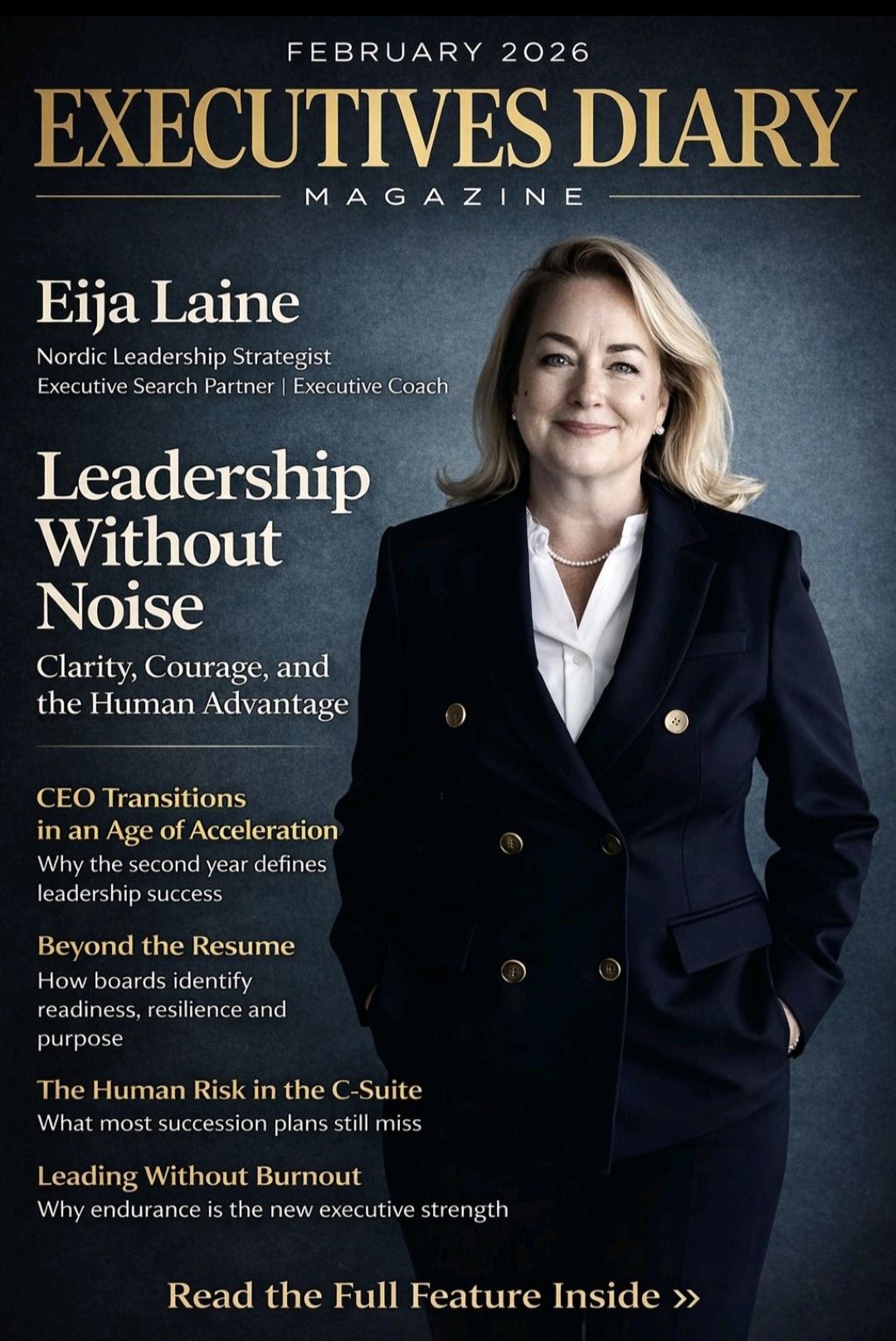
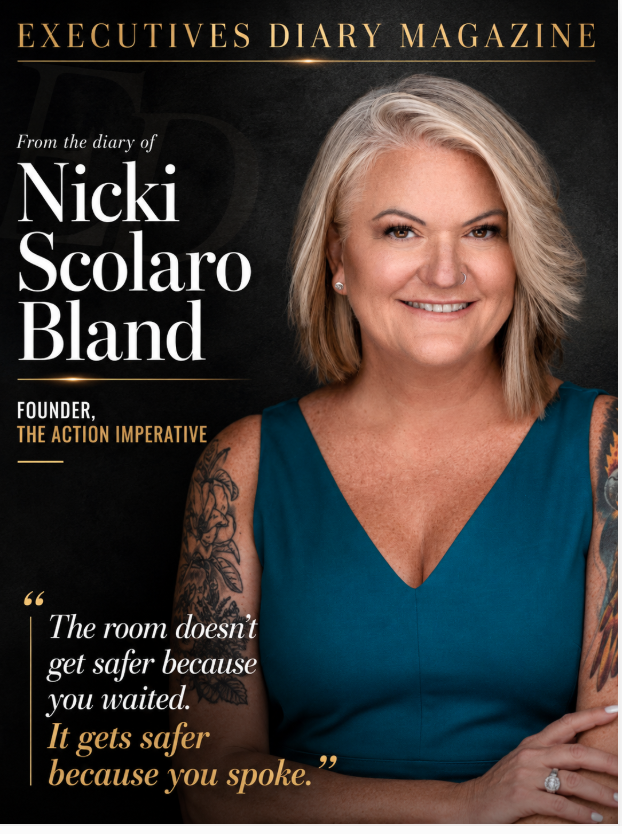
The Room Doesn’t Get Safer Because You Waited
Nicki Scolaro Bland on why imposter syndrome is a story companies tell women to keep them quiet, and what fixing a broken contracts organization taught her about fixing broken confidence.
When Nicki Scolaro Bland was recruited into the contracts organization at Leonardo DRS, she found a team that did its job and nothing else. Awards moved through the same slow chain, as long as four weeks from document receipt to signature, not because anyone was incompetent, but because no one had asked them to be anywhere near the conversations that made the paperwork necessary. They processed. They didn’t participate. Program managers spoke to customers directly and looped contracts in after the fact, if at all.
That gap, between doing a job well and being trusted inside it, is the thing Scolaro Bland has spent 25 years in GovCon noticing, and it’s what she built The Action Imperative, founded in January 2026, to close on a different scale. By day, she leads capture development across a $2B+ portfolio at Serco. Outside it, she runs a coaching practice for women leaders who’ve learned to perform confidence instead of holding it, women, in her words, whose “authentic authority” has been muted so gradually they’ve stopped noticing the muting.
The Lie Everyone Agreed To
Ask Scolaro Bland what the women’s-leadership industry gets wrong and she doesn’t hedge. For years, she says, women have been coached to “fake it until they make it,” advice that quietly recasts confidence as a performance instead of a fact.
“Imposter syndrome is simply a lie we have accepted to keep others comfortable,” she says, “and to prevent people from challenging both spoken and unspoken expectations.” The fix, in her framing, isn’t for women to change enough to earn the room. It’s that the room is already different the moment someone enters it “visibly, authentically, and unafraid.”
She traces the pattern back to how companies build leadership pipelines in the first place. Emerging leaders, she’s observed across two and a half decades of building teams, get shaped to fit expectations set by people who came before them, rarely the reverse. Organizations chase what she calls “unicorns” through unrealistic job postings, then spend years trying to sand the unicorn down into something more familiar. It’s the same instinct, she argues, that Steve Jobs pushed back on when he said, “We don’t hire smart people to tell them what to do. We hire smart people so they can tell us what to do.” Most companies say they believe that. Few build the structures that would let it be true.
“What Not to Say”
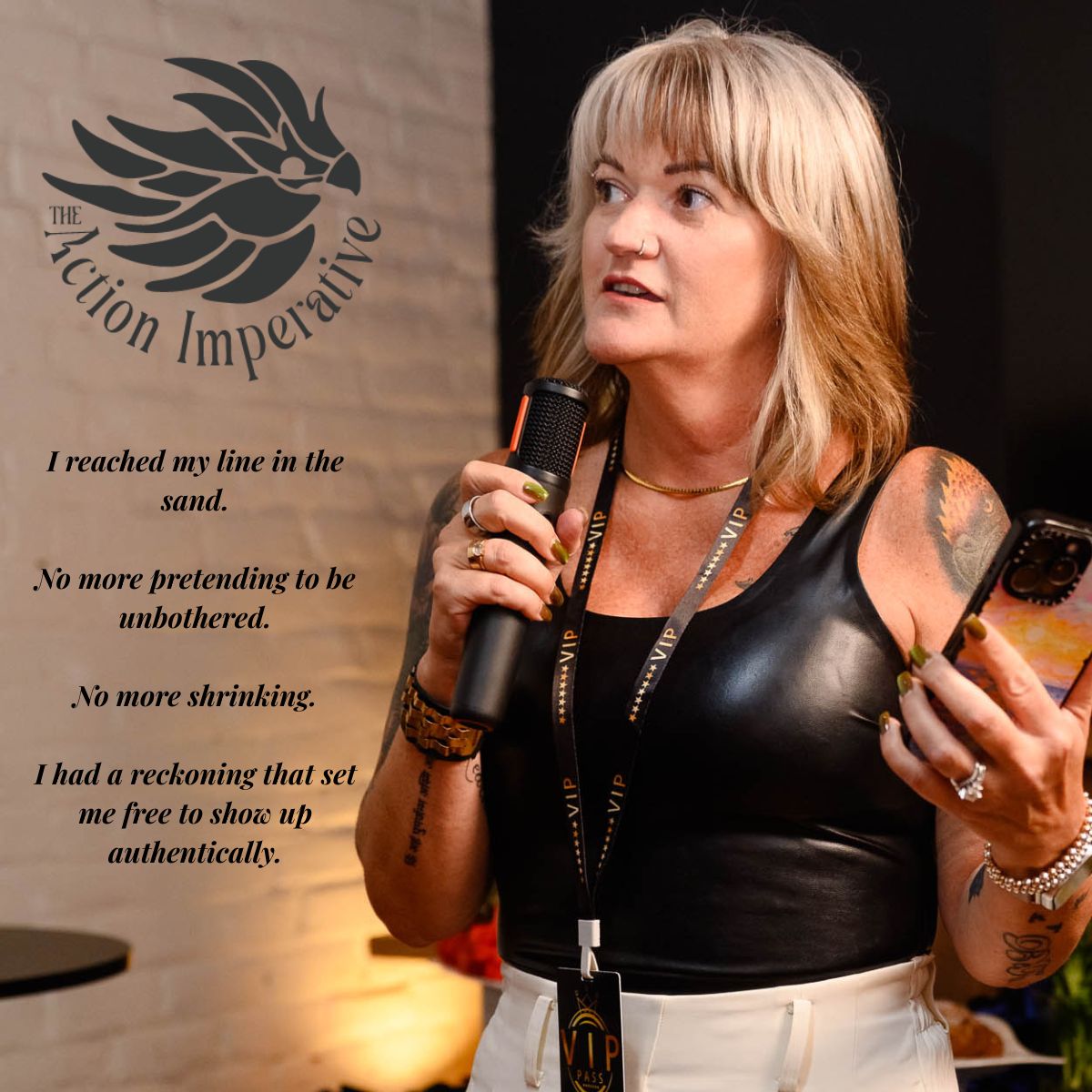
The Phoenix Leader Path, her twelve-week program, is Scolaro Bland’s answer to that gap, and its structure comes directly out of something she watched happen inside her own career.
Clients begin with a Leadership Archetype Assessment, sorting into one of four types: Truth-Teller, Bridge-Builder, System Breaker, or Strategic Insider, against six dimensions the program tracks: Voice and Presence, Power Literacy, Visibility and Self-Advocacy, Cognitive Clarity, Somatic Intelligence, and Courage and Readiness. Phase 1, Reclaiming, is where the diagnosis happens: mapping who holds informal authority in a room, whose comfort is being protected by someone else’s silence.
Scolaro Bland didn’t design that phase in the abstract. Earlier in her career, she was repeatedly “coached” on what not to say to senior leaders, often, she says, to avoid transparency the company wasn’t prepared to sit with. It made her question the culture of trust her employer claimed to have built. Phase 2, Rising, works the nervous system directly, using somatic practices so a client can stay regulated and visible under pressure instead of defaulting to the fawn-or-freeze response that got her silenced the first time. Phase 3, Reckoning, is where the internal work becomes visible externally: the credit claimed, the conversation finally had. One client, midway through that phase, was asked to replan an event she’d already organized, and simply told the person making the request that they were welcome to plan it themselves. No guilt, no pivot.
The somatic work isn’t incidental to the program, and Scolaro Bland is precise about where it comes from and where its limits sit. “I include somatics and nervous system regulation based on what I know from both personal experience and studying neuroscience through my MBA program and self-study,” she says, a distinction she draws deliberately, since the work is coaching, not clinical treatment.
Four Weeks to Two Days
The operating logic behind all of this is the same logic she’s applied to contracts organizations for a quarter-century, and the Leonardo DRS turnaround is the clearest evidence of it. Once in place, Scolaro Bland required her team into every program review and into regular contact with finance and procurement, functions they’d previously been isolated from, and ended the practice of letting program managers deal with customers without contracts in the room. She had the team document every open issue and flag where they needed her support to get a seat at the table.
The result was a centralized tracking system that captured every stage of an award or modification, from document receipt through every approval and signature. Timelines that had run as long as four weeks compressed to as few as two days, and the effects showed up downstream in faster invoicing and payment. What surprised her most, looking back, wasn’t the size of the change. It was how small the mechanism behind it had been: “A simple solution can make a meaningful impact on an organization’s performance.”
She points to a second, smaller-scale version of the same pattern from her time as board chair of a nonprofit, where she brought in outside experts to run fundraising rather than relying solely on volunteer goodwill. Under that approach, the organization’s budget grew from $200,000 to more than $1 million, enough, for the first time in the group’s seven-year history, to pay its executive director a living wage.
The Office at the End of the Day
The clearest proof of her thesis, though, isn’t a metric. It’s a room she still remembers in detail, from much earlier in her career, before any of the titles.
She’d discovered that a manager was taking risks serious enough to threaten his job and put the wider organization at risk with him. He knew she’d found out. She knew she couldn’t leave it alone. So she waited until most of the office had gone home, walked into his office, and told him what she knew, fully aware he could have retaliated, up to and including firing her.
He didn’t. He acknowledged what he’d done, apologized, and, as far as she knows, never repeated it. Twenty years later, the two still have a good relationship, built, she says, on the respect she earned that day by not staying quiet.
It’s the sentence she’d stand behind if that same colleague read it back to her today, and it’s the one she’d say to any woman sitting in a meeting right now, deciding whether to speak: the room doesn’t get safer because you waited. It gets safer because you spoke.