

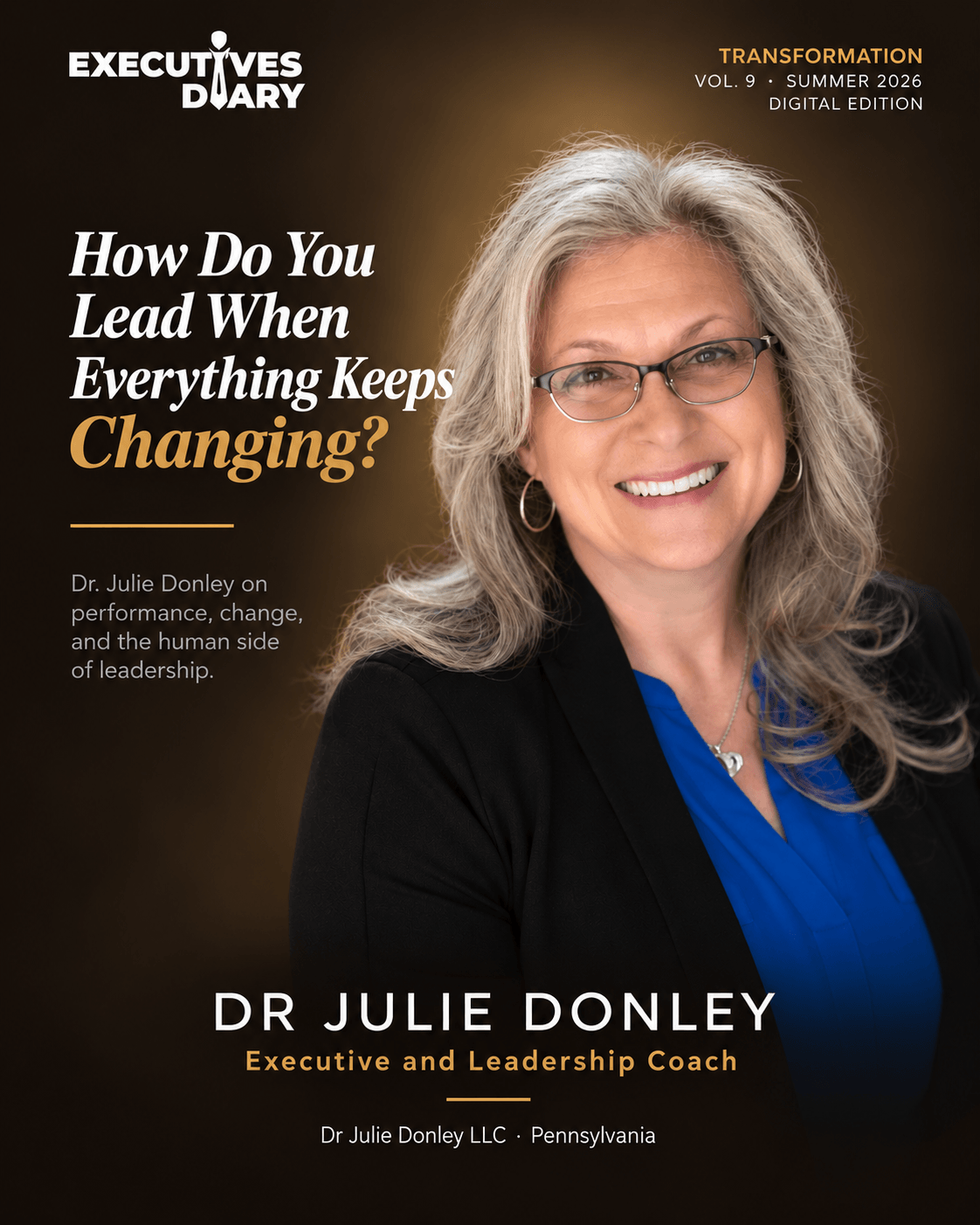
Dr. Julie Donley
On Saving Hundreds of Thousands Without Sacrificing The People Doing The Work.The High Price Of Moving Too Fast
Healthcare systems bleed money when they treat staff like line items. Budgets tighten. Burnout spikes. The corporate instinct is usually to mandate cuts and demand more output. Dr Julie Donley took the exact opposite approach. She realized that sustainable financial results require slowing down the human equation. The tension between clinical needs and bottom-line reality breaks most administrators. She used that tension to build a better system entirely.
The Architect Of Human Capital
Dr Julie Donley is an Executive and Leadership Coach at Dr Julie Donley LLC. She is also a registered nurse, an author, and a former healthcare executive. Throughout her career, one belief has remained constant: organizational performance improves when leaders understand the human side of leadership.
From The Psychiatric Ward To The Executive Suite
Her fascination with human behavior started in the early 1990s. She worked in a psychiatric hospital while attending nursing school. She watched leaders closely. Some managers created fear and self-doubt among the staff. Others built deep trust and confidence. The stark difference shaped the rest of her professional life.
She wanted to know why certain leaders brought out the best in people. That curiosity stayed with her throughout her career and eventually led her to earn both an MBA and a doctorate in organizational leadership. The academic rigor gave her a framework for the human dynamics she observed on the floor. She realized that clinical expertise rarely translates into management capability.
Eventually, she took over as Director of Nursing at Devereux Children’s Behavioral Health Services. The stakes were incredibly high. She managed a 155-bed residential treatment facility. She oversaw forty staff members and a two-million-dollar budget. The environment was complex, highly regulated, and emotionally taxing. She saw the operational friction firsthand. It became an ideal environment to put those leadership principles into practice.
Fixing The Root Cause Of Organizational Friction
The results were significant. She saved three hundred thousand dollars annually by fixing staffing schedules. She eliminated another one hundred and twenty thousand dollars in pharmacy waste. She did not achieve this by simply slashing budgets or ignoring clinical requirements. She redesigned staffing around patient needs rather than historical scheduling patterns.
She engaged the employees doing the actual work to find practical solutions. She recognized that frontline staff didn’t want to be wasteful; they simply needed clarity on how their workflows impacted spending. By uncovering hidden process issues and communicating a better path forward, she empowered her team to actively drive down excess costs. True financial stewardship requires a delicate balance. It demands clinical excellence, regulatory compliance, and a strong employee experience.
She applied this same philosophy to major operational hurdles. She deployed an electronic medical record system across the facility. She helped lead the pandemic response for COVID-19. These are the kinds of high-stress events that typically fracture a workforce. She kept her team aligned by focusing heavily on communication and respect.
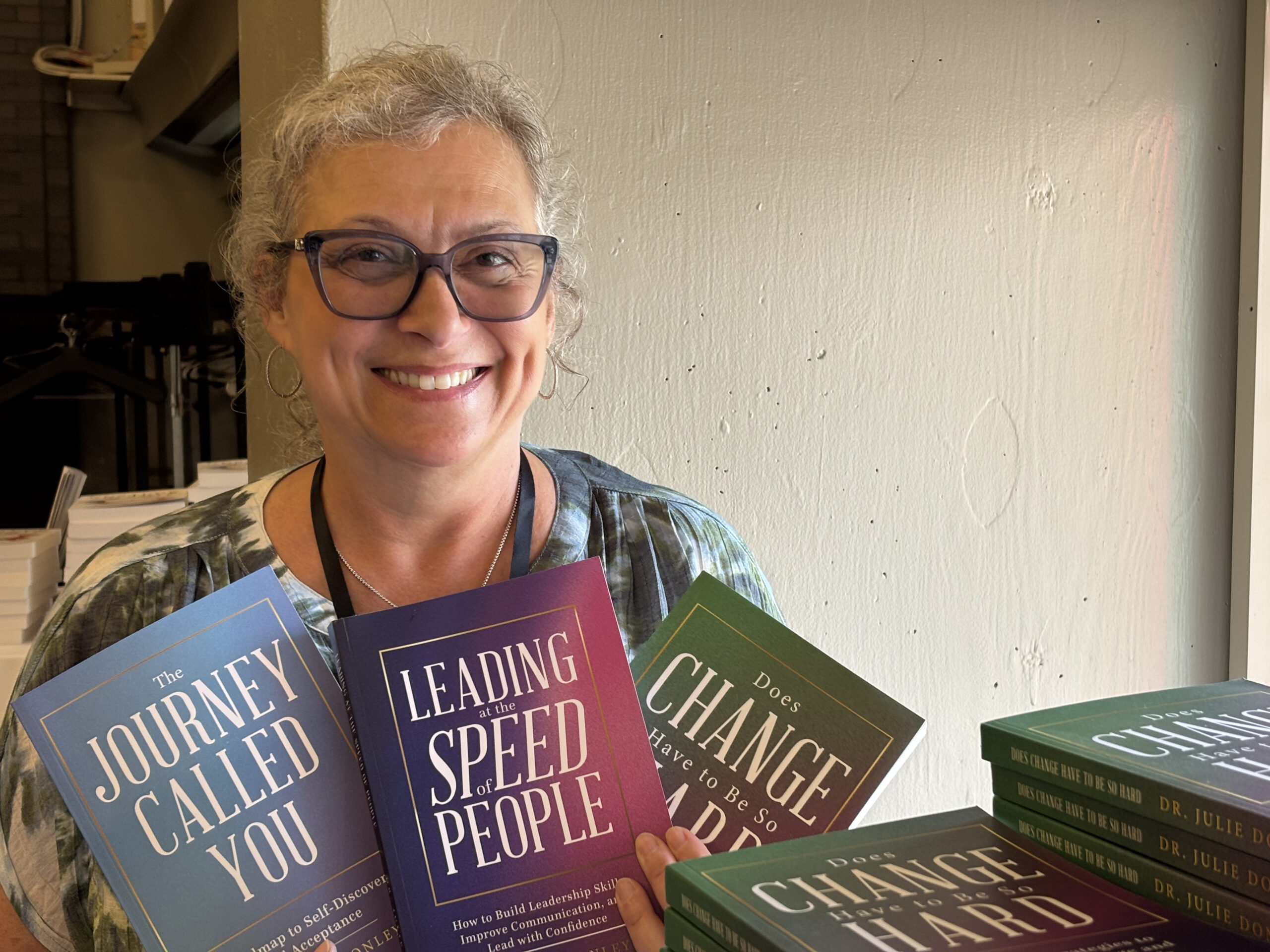
She now advises executives across multiple industries. She helps them implement necessary changes without triggering mass resignations. Organizations constantly introduce new systems or compliance standards. Implementing new systems is rarely just a technical challenge. The human response often determines whether the effort succeeds or fails. She has authored multiple books on this exact subject.
Leaders often ignore the emotional weight of a shifting workplace. “Most change initiatives fail not because the strategy is wrong, but because leaders underestimate the emotional and human side of change.” When executives push too hard, resistance grows. Trust erodes rapidly. The entire operation stalls as passive compliance replaces active engagement.
Dr Julie Donley steps into these fractured environments. She helps leaders strengthen communication, increase trust, and create cultures where people can engage honestly with change. She uses comprehensive feedback to show leaders how their assumptions cause operational bottlenecks. She creates spaces for honest conversations that focus on problem-solving rather than blame. Organizations often see stronger retention, greater internal advancement, and healthier day-to-day communication.
The Paradox Of Speed
The corporate instinct to rush creates the very friction that slows a business down. Pushing harder only generates more resistance. Dr Julie Donley recognized this decades ago on the floor of a psychiatric hospital. She built a career proving that financial success and human support are never competing priorities.
Her work answers the fundamental question of modern management. You cannot force a team to perform through mandates alone. “One of the great leadership paradoxes is that organizations often accomplish more when leaders slow down.” You reach your destination much faster when you actually bring your people with you.