
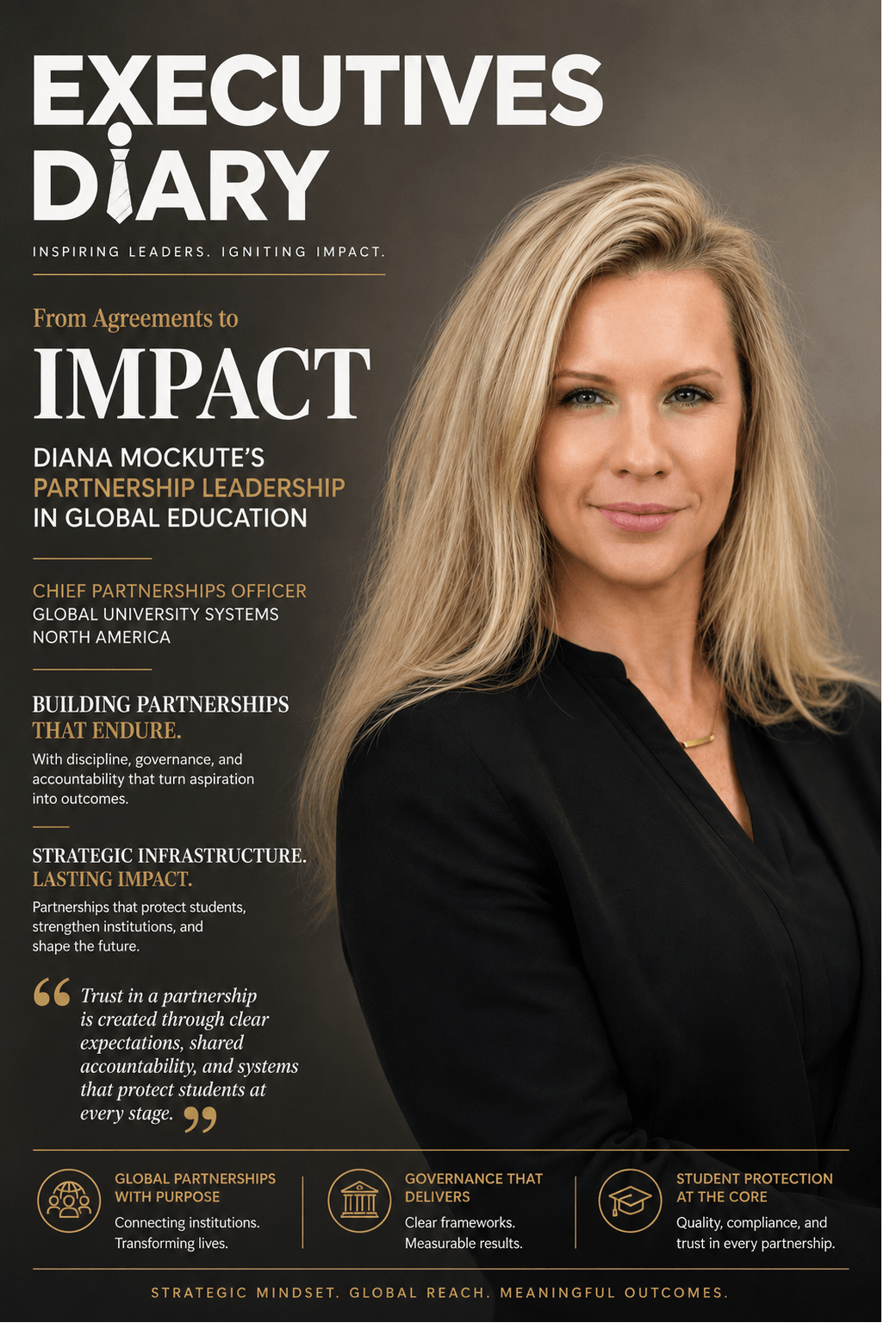
From Agreements to Impact
Diana Mockute’s Partnership Leadership in Global EducationMost institutions celebrate the signing. The press release goes out, the logos get paired on a slide deck, and someone books a dinner. Then, six months later, the partnership is underperforming, and nobody can agree on whose fault it is. Diana Mockute has watched this pattern play out across three decades of international education. She stopped finding it surprising a long time ago. What she never stopped doing was building something better.
Twenty Years, One Conviction
Diana Mockute is the Chief Partnerships Officer at Global University Systems North America, overseeing partnership strategy across GUS Canada, the United States, and the GUS Medical and Veterinary divisions. She led a recruitment team of more than 30 people and currently manages institutional relationships spanning markets from India and China to Nigeria, Colombia, Turkey, and the Caribbean. She is also a Doctor of Education candidate at Ontario Tech University. The credential she would probably point to last is the one that matters most: she has never once signed a partnership she was not prepared to operate.
From Klaipeda to Global Education Leadership
Diana Mockute grew up in Lithuania, studied at Klaipeda University, and arrived in international education the way most people do: through a door that was slightly ajar. Her earliest professional roles were in student affairs and civic organizations, managing student centers, coordinating career fairs, and advising high school graduates on their options. The work was administrative by title. In practice, it was her first lesson in what institutions owe the people they serve.
She moved to Canada and entered post-secondary education through Seneca College, where she was hired to build the European recruitment market from near zero. The assignment was ambitious. “The first high-leverage move was disciplined market selection. Rather than treating Europe as one broad region, I focused on countries and sub-regions where there was a strong fit between Seneca’s academic strengths, student demand, affordability, and post-graduation outcomes.” By the time she left, European enrollment had tripled. Europe had moved into Seneca’s top five source regions. She had done it not by attending every fair on the continent, but by stopping the activity that produced noise without results.
That discipline followed her to ILAC, where she spent nearly seven years building and managing a pathway partnership ecosystem that grew to more than 100 institutional agreements across Canada and the United States. The complexity at that scale was not in the contracts. It was in making those contracts mean something operationally, across academic teams, admissions offices, compliance functions, student services, and external institution administrators who all had different priorities and different definitions of success. She built the governance structures, the escalation pathways, the performance indicators, and the internal coordination rhythms that turned signed agreements into functioning relationships. “The success of a complex partnership is measured not only by the launch, but by whether it continues to perform reliably after launch. That requires governance, accountability, and trust on both sides.”
The Infrastructure Behind the Agreements
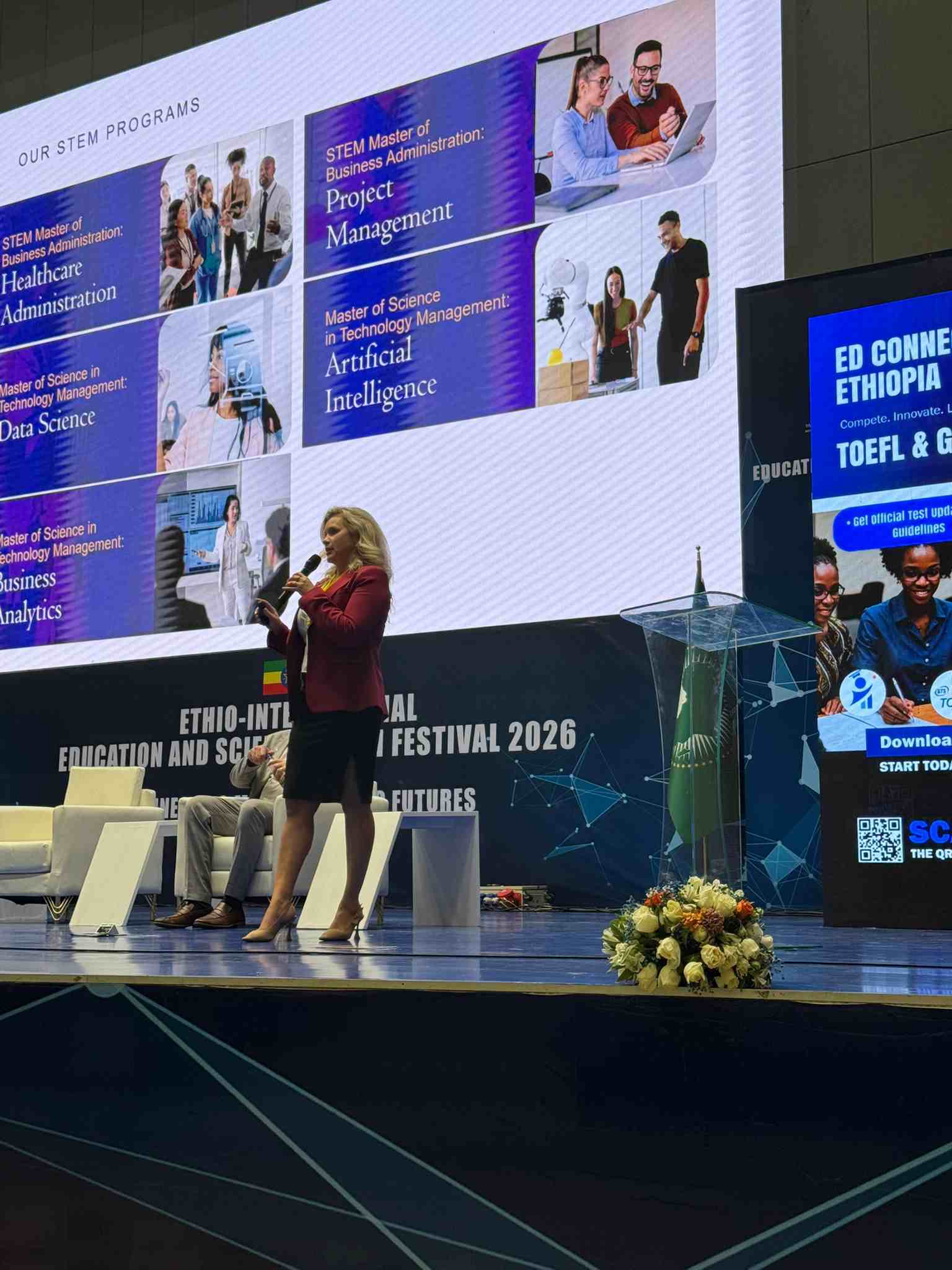
At Global University Systems, Diana Mockute’s scope is substantial. She oversees strategic partnership development across GUS Canada, the GUS medical schools, and St. Matthew’s Veterinary School, while also managing international recruitment operations for GUS-managed campuses in the United States, including the Avila University Arizona partnership, as well as building GUS Med & Vet recruitment teams for North America.
The markets she works across include the Middle East, Sub-Saharan and East Africa, South and Southeast Asia, Latin America, and the European Union. Each region carries its own regulatory environment, cultural expectations, and definition of institutional trust.
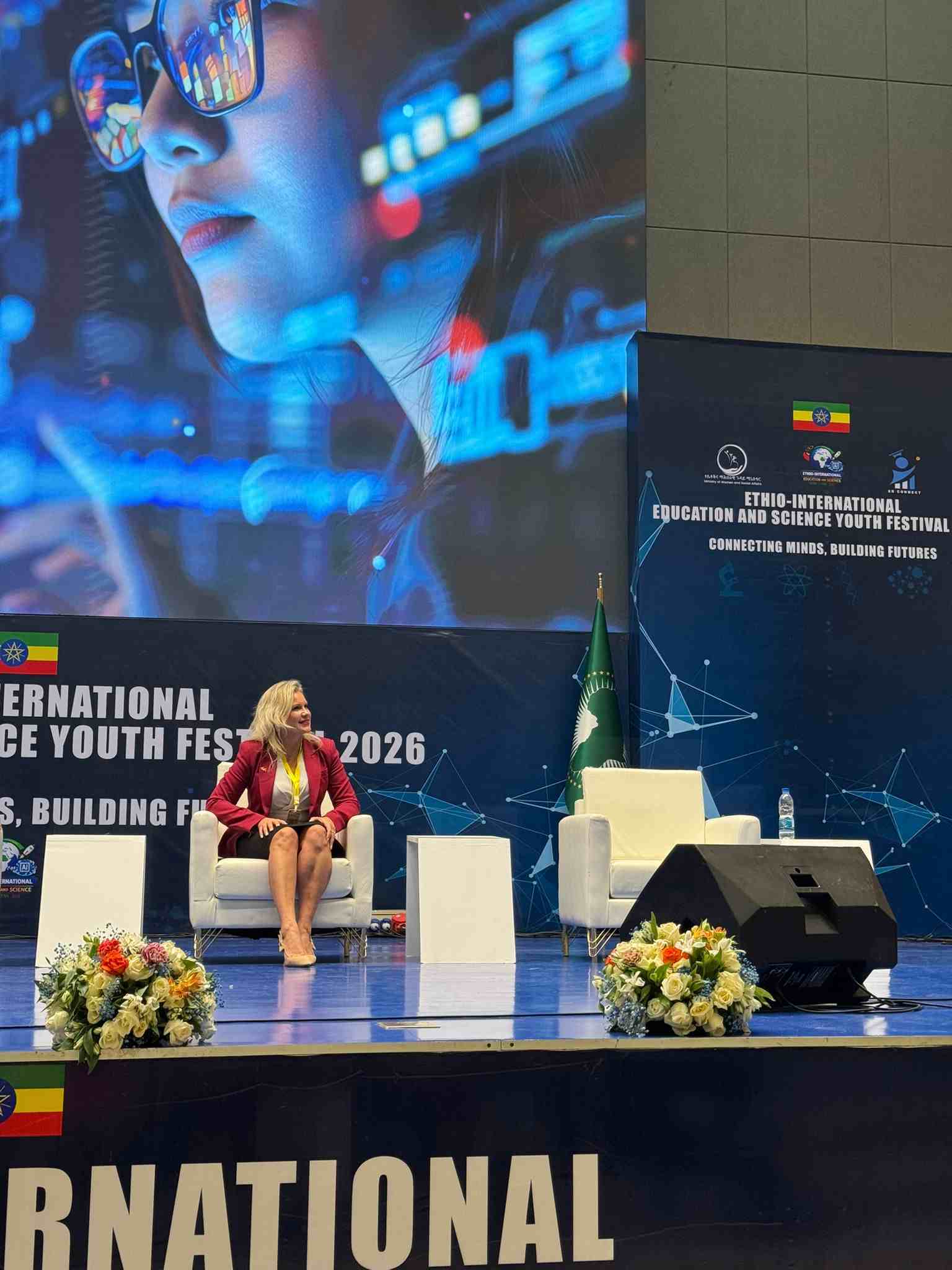
What Mockute has built at GUS is not a partnership portfolio in the traditional sense. It is a system for deciding which partnerships are worth building, a framework for building them correctly, and a governance structure for keeping them honest over time. The distinction matters to her. “Volume alone is not a strategy. The focus must shift toward diversified, compliant, and academically meaningful models, including pathway partnerships, articulation agreements, transnational education, healthcare and workforce-aligned programs, and stronger regional delivery models.”
Her non-negotiable is student protection, not as a value statement on a website, but as an operational filter applied before any agreement moves forward. Due diligence at GUS under her leadership includes assessment of a potential partner’s regulatory standing, student support capacity, recruitment practices, and academic alignment. Contracts define responsibilities around admissions, marketing, student communications, data protection, compliance, and quality assurance. Governance structures include regular partnership reviews, reporting requirements, and agreed performance indicators.
This is the part of partnership management that most institutions skip. They invest in the relationship and assume the system will follow. Mockute inverts that sequence. She builds the system first because she has seen what happens when nobody does.
The broader challenge she is watching across the sector is one that will define which institutions survive the next decade. Policy pressure is intensifying. Regulatory scrutiny is increasing. Traditional recruitment models are losing ground to a market that is moving faster than most institutional planning cycles can accommodate. “Institutions must treat partnerships as strategic infrastructure, not as isolated recruitment channels. The institutions that remain competitive will be those that can build trusted ecosystems, not simply sign agreements.”
She is also pursuing her doctorate in education at Ontario Tech University, a decision that reflects something consistent in how she has always operated: she does not separate the work from the thinking behind it.
Building Partnerships That Endure
The pattern Diana Mockute identified early in her career, institutions celebrating agreements they were not equipped to sustain, was never really about poor intentions. It was about the absence of structure. Agreements without governance are aspirations. Aspirations without accountability are eventually liabilities.
What she has spent two decades building, across Seneca, ILAC, and now GUS, is the infrastructure that turns aspiration into outcomes. The partnerships that last are not the ones with the best launch dinners.
They are the ones built with discipline, governance, and accountability required to endure long after the signing ceremony is over.