Stefanie Adams
CheerLEADERship in Real Life: How Stefanie Adams Turns Recognition, Not Perks, into RetentionThe Silent Cost of Doing Nothing
Organizations spend millions on retention perks while their middle managers quietly burn out. The coffee bars and flexible Fridays mask a deeper operational crisis. People do not leave companies because of the benefits package. They leave exhausted managers and invisible cultures. Stefanie Adams knows exactly what happens when the people closest to the work are left to figure it out alone. The cost of ignoring the managerial middle is staggering, resulting in silent disengagement and expensive turnover.
A Career Built on the Front Lines
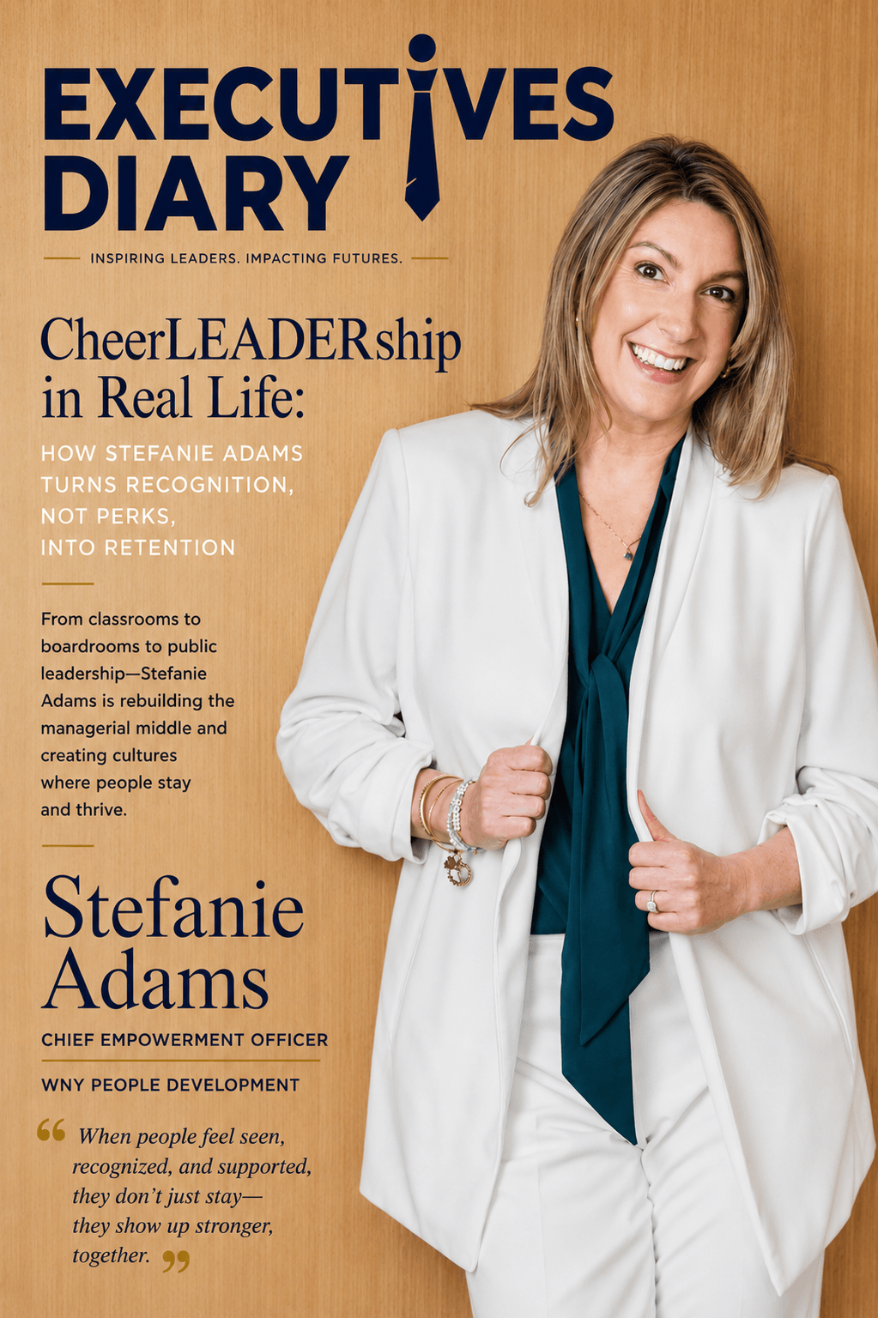
Stefanie Adams is the Chief Empowerment Officer of WNY People Development and an award-winning author. She operates at the intersection of corporate learning and public governance, building human-centric cultures that stick. Her work proves that true retention requires equipping the leaders closest to the work, not just the executives in the boardroom.
From Classroom Instruction to Boardroom Governance
Her foundation started in education, earning a degree from Bloomsburg University and a master’s from Eastern University. She spent years in the School District of Philadelphia and at Johns Hopkins University, implementing whole-school reform models. Those early roles taught her how to build systems that support human beings in high-stress environments. She realized that whether in a classroom or a corporate office, the root cause of failure was rarely a lack of talent. It was almost always a lack of structural support.
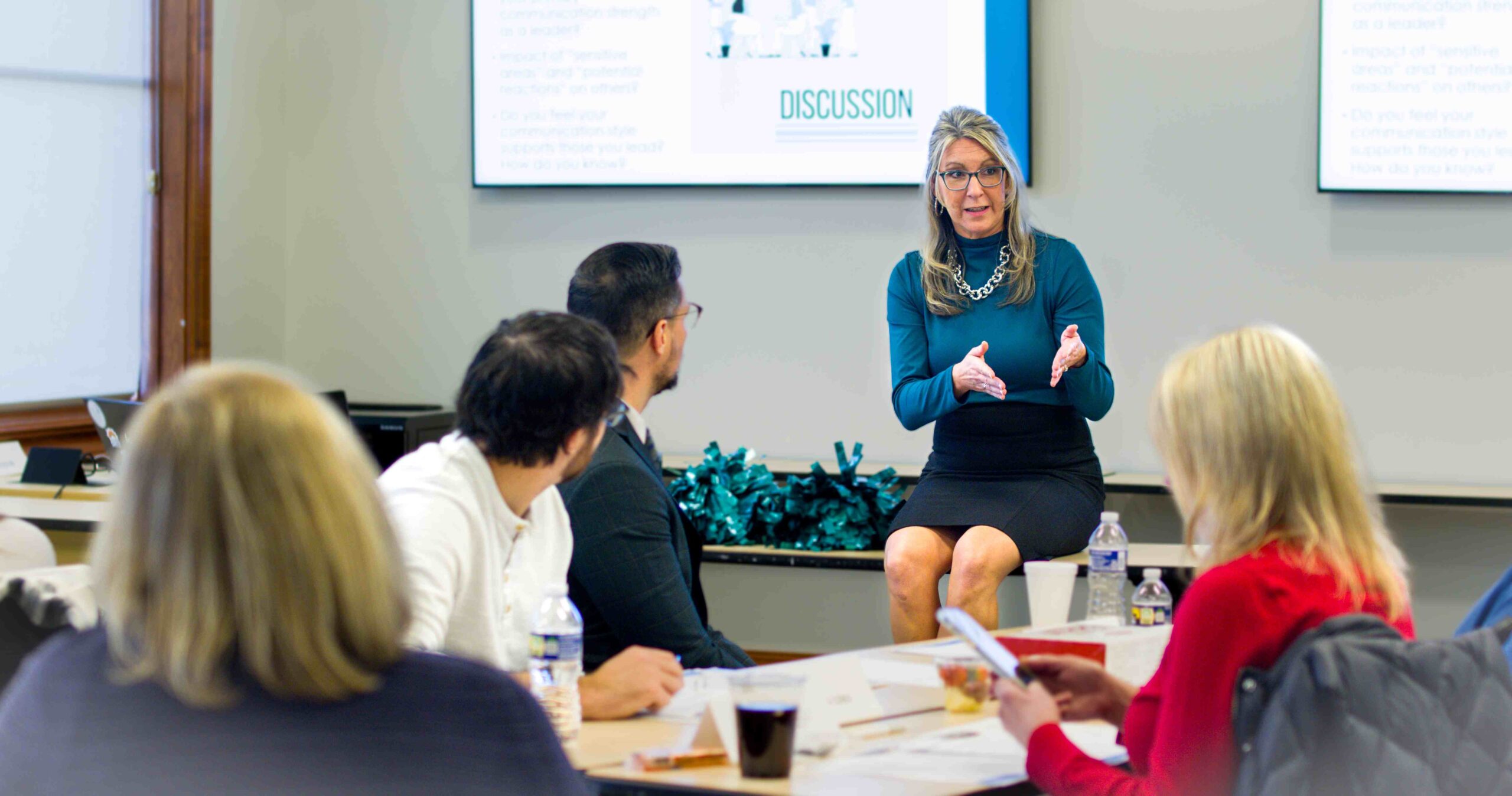
She transitioned into corporate talent development, leading training for hundreds of employees at CastleBranch and managing customized workforce programs at Cape Fear Community College. Her scope expanded, but the core problem remained identical across sectors. Managers were being promoted for their individual contributions and then abandoned. They had no tools to lead people. She recognized that organizations were demanding leadership without ever teaching the requisite skills.
Her most public test of leadership came outside the corporate sphere. She was elected to the New Hanover County Schools Board, eventually serving as Chair. She oversaw a district of 26,000 students during an era of unprecedented disruption. Every decision was public, and every stakeholder had competing demands. She learned that hedging difficult messages breeds immediate distrust. That crucible of public governance sharpened her belief in transparent, direct communication.
She formalized these decades of observation into a comprehensive framework. Her book, CheerLEADERship, earned a Goody Business Book Award for its practical approach to employee development. The principles she outlined were not theoretical exercises. They were battle-tested strategies designed to keep teams functioning when the pressure peaked.
Rebuilding the Managerial Middle
Today, Stefanie Adams focuses entirely on the managers caught in the middle. After seven years of running her successful consultancy, she is actively pursuing executive roles in the non-profit sector. She wants to drive cultural change from the inside at massive scale. Her target is mission-aligned organizations focused on women, workforce development, or education. She is searching for environments where human-centric leadership is the entire operational strategy.
She identifies organizational decay long before it hits a spreadsheet. She watches for specific behavioral shifts that signal impending turnover. “When I walk into an organization and ask leaders when they last recognized someone on their team, and they pause, that tells me everything,” she notes. That hesitation is the first symptom of a system breaking down. Invisible employees eventually become absent employees.
Her approach replaces generic training days with structured, long-term development cohorts. She focuses heavily on eradicating manager isolation. When frontline leaders make decisions in a vacuum without peer support, the entire operation is at risk. “Burnout at the manager level spreads to teams faster than any other variable,” she explains. Fixing the middle layer stabilizes the entire foundation.
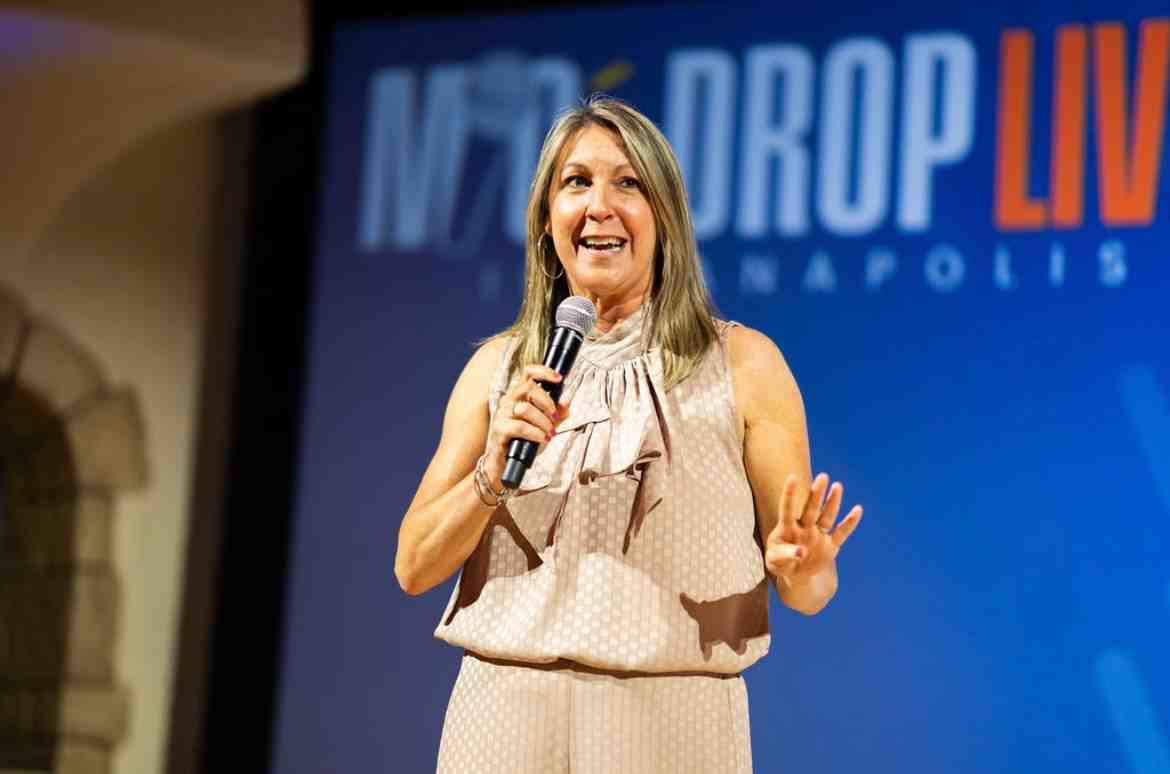
She measures success through behavioral shifts rather than simple attendance records. In one initiative, she introduced a highly specific peer recognition ritual. Within sixty days, the energy in team meetings completely changed. Voluntary collaboration increased, and employees began recognizing each other outside of formal settings. “The ritual became a culture,” she recalls. The result was a measurable increase in engagement and a workforce that finally felt seen.
She brings the hard lessons of public governance into these corporate spaces. She forces leaders to confront the damage caused by vague communication across a complex, multigenerational workforce. “Your people can handle hard news, what they cannot handle is not knowing,” she states. This direct approach closes the gap between stated corporate values and daily behavior. The outcome is a generation of confident leaders who know exactly how to support their teams.
The Work That Endures
Perks will never fix a broken culture. When organizations finally realize that retention is a human problem rather than a compensation puzzle, they need leaders who know how to build the infrastructure of trust. Stefanie Adams has spent two decades proving that the right support can turn an exhausted manager into a cultural anchor. She builds the kind of leaders people refuse to leave.