

Why Stephen Garth Thinks Success Can Quietly Become a Prison
Stephen GarthSuccess has a strange way of disguising exhaustion.
The promotion arrives. The responsibilities grow. More people depend on you. The calendar fills, the performance reviews improve, and from the outside everything suggests you’re moving in the right direction.
Then one day, often without warning, you realize something no performance metric can capture.
You’re succeeding at work while slowly disappearing from your own life.
Stephen Garth believes this is one of the least discussed leadership challenges in business today. Not because executives are failing, but because they are succeeding in ways that slowly disconnect them from themselves.
The crisis doesn’t begin when performance declines.
It begins when identity becomes inseparable from achievement.
The Leadership Problem No Dashboard Can Measure
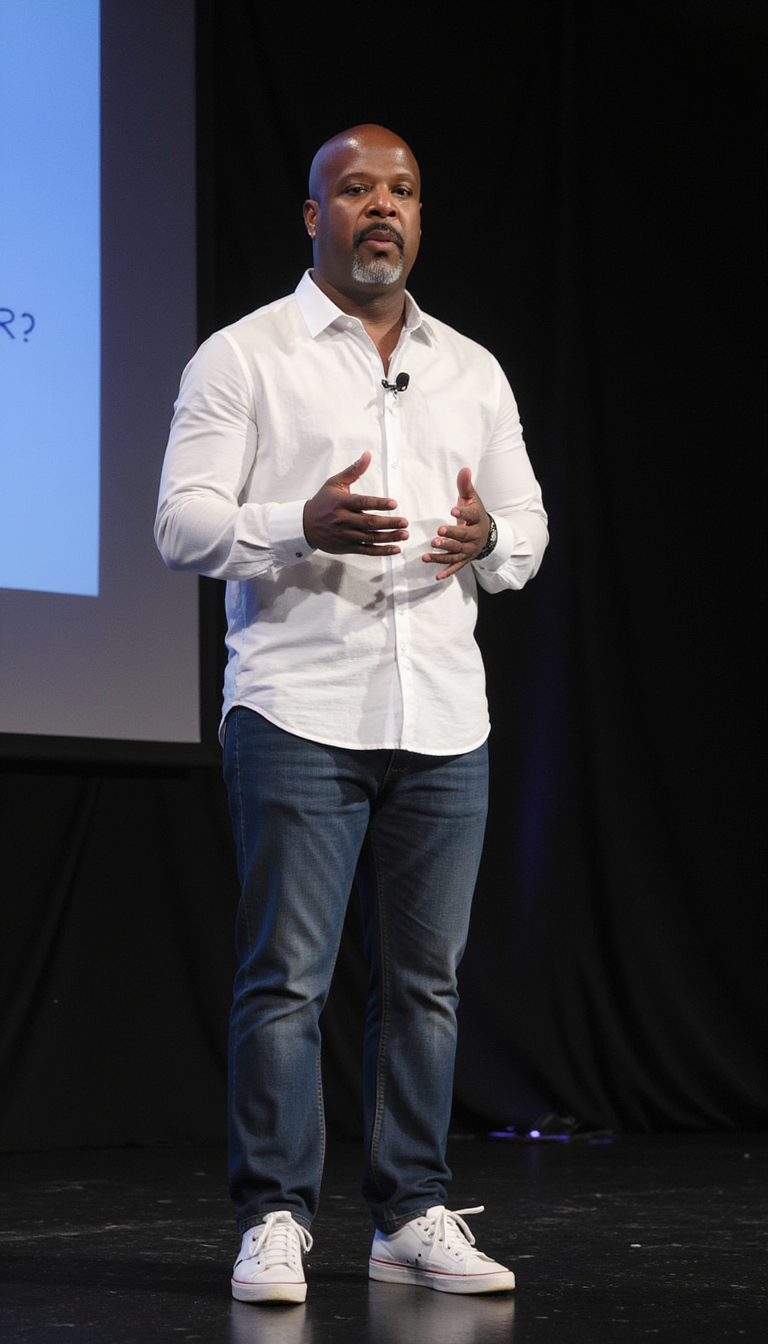
Stephen Garth is the founder and CEO of Healingdivination Coaching, an award-winning author, speaker, and leadership coach who helps executives navigate burnout, identity transformation, and authentic leadership. Before launching his coaching practice, he spent more than thirty years leading warehouse operations, production, and logistics for organizations where efficiency, quality, and execution determined success every single day.
Those years taught him something that leadership manuals rarely acknowledge.
The greatest challenges inside an organization are often invisible.
Not because leaders aren’t paying attention.
Because they are measuring the wrong things.
A production report can measure output.
A spreadsheet can measure costs.
A dashboard can track delivery times.
None of them reveal resentment.
None measure emotional exhaustion.
None explain why a high-performing employee quietly disengages months before submitting a resignation.

Over three decades, Stephen discovered that the strongest organizations were rarely built by leaders obsessed with numbers alone.
They were built by leaders who understood that people ultimately determine whether every process, strategy, and operational system succeeds.
That lesson stayed with him long after he left the warehouse floor.
When Success Stops Feeling Like Success
Burnout rarely arrives all at once.
Stephen describes it as something much quieter.
One compromise.
One postponed conversation.
One promotion that requires sacrificing another part of yourself.
Then another.
Until the role becomes your identity.
It is a pattern he now sees repeatedly in the executives he coaches.
They are respected.
Trusted.
Financially successful.
Their careers continue moving forward.
Yet internally they feel disconnected from the person they once were.
Stephen does not believe these leaders are broken.
He believes they have spent years performing a version of themselves that no longer fits.
That perspective shaped both his coaching practice and his books, The Storm Before the Shift and the award-winning Get Your Shift Together.
Rather than presenting burnout as something to overcome through another productivity strategy, he treats it as evidence that something deeper is asking to change.
His own experience reflects that belief.
After decades leading high-pressure operations, he reached a point where the external markers of success no longer matched how life felt internally.
As he explains it, everything that once worked stopped working.
It was not failure.
It was a shift.
From Removing Waste to Removing Suffering
One of the most unusual aspects of Stephen Garth’s work is the way he combines operational discipline with spiritual coaching.
At first glance, Six Sigma and self-awareness appear to belong in completely different worlds.
Stephen sees them as asking the same question.
For years he analyzed production systems, searching for inefficiencies that reduced quality and performance.
Today he studies something less visible.
Fear.
Limiting beliefs.
Old identities.
The habits that consume energy long before leaders realize they are carrying them.
Whether he is evaluating a production process or helping an executive through a personal transition, his objective remains remarkably similar.
Find where energy is being lost.
Remove what no longer serves the system.
Allow performance to improve naturally.
For Stephen, authentic leadership is not another management technique.
It is what happens when leaders stop fighting themselves.
Trust Is Built Long Before Pressure Arrives
Business often celebrates leaders who perform well under pressure.
Stephen believes pressure reveals something more important than performance.
It reveals character.
Across thirty years of operational leadership, he witnessed teams meet impossible deadlines without sacrificing trust.
He also watched talented managers create toxic workplaces despite facing far less demanding circumstances.
The difference, he says, was rarely technical ability.
It was consistency.
People followed leaders who admitted mistakes.
Who communicated honestly.
Who placed relationships above ego.

That insight continues to shape his coaching today.
Trust is not created through motivational speeches or carefully written company values.
It is built through daily choices that demonstrate whether a leader values people as much as performance.
Helping Leaders Find the Person Behind the Position
Stephen Garth believes leadership education has spent decades teaching executives how to manage teams, projects, and organizations.
Far less attention has been given to helping leaders understand themselves.
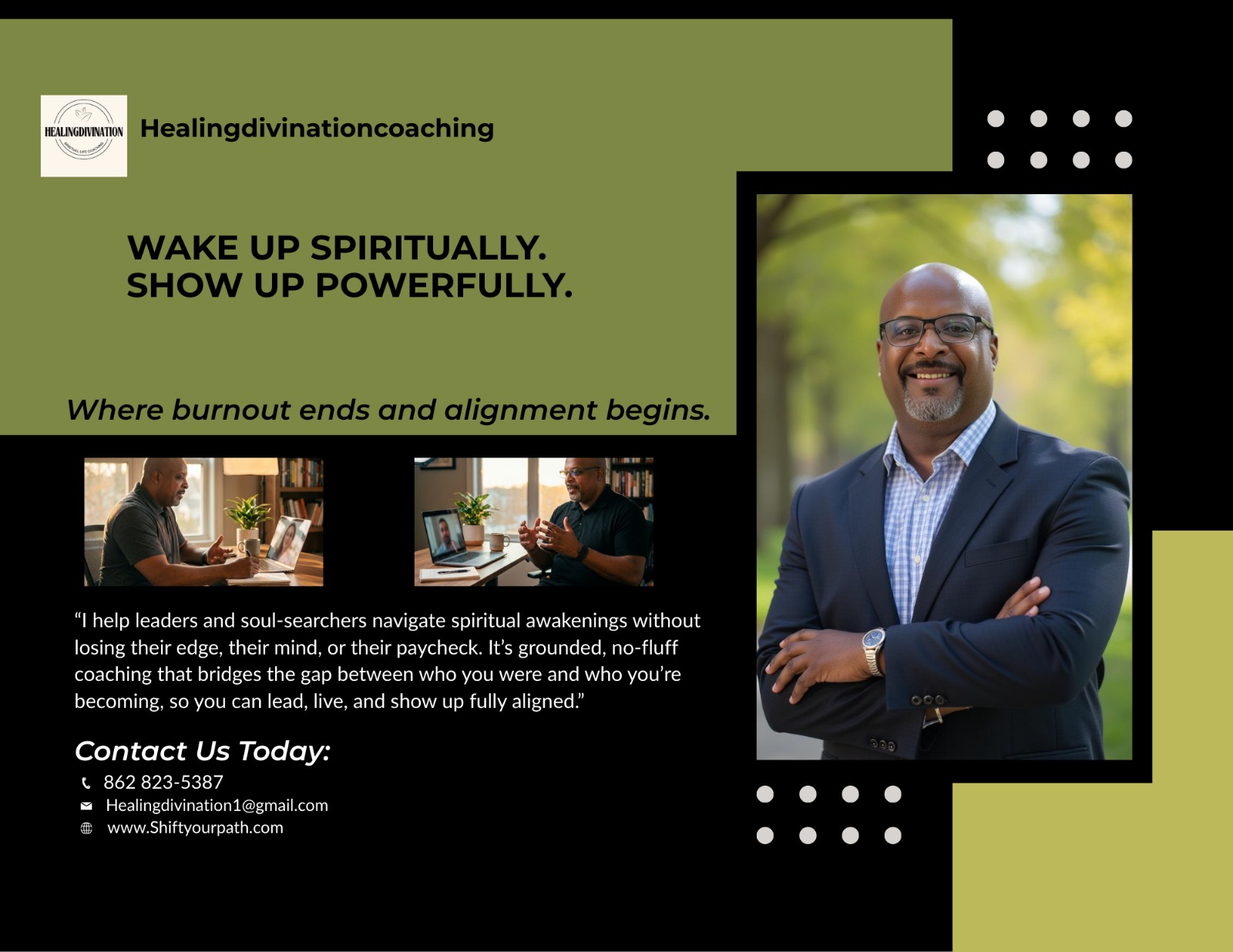
That is the gap Healingdivination Coaching was created to address.
His work focuses on executives experiencing what he calls a shift, the moment when external success is no longer enough to answer internal questions.
It is not about abandoning ambition.
It is about ensuring ambition no longer comes at the expense of identity.
For Stephen Garth, leadership has never been solely about improving results.
Results matter.
Performance matters.
Operational excellence matters.
But after more than three decades leading people and studying what drives them, he has reached a conclusion that no spreadsheet could ever teach.
Organizations become healthier when leaders become healthier first.
Because the most meaningful promotion in any leader’s career is not the next title they earn.
It is becoming someone who no longer needs that title to know who they are.