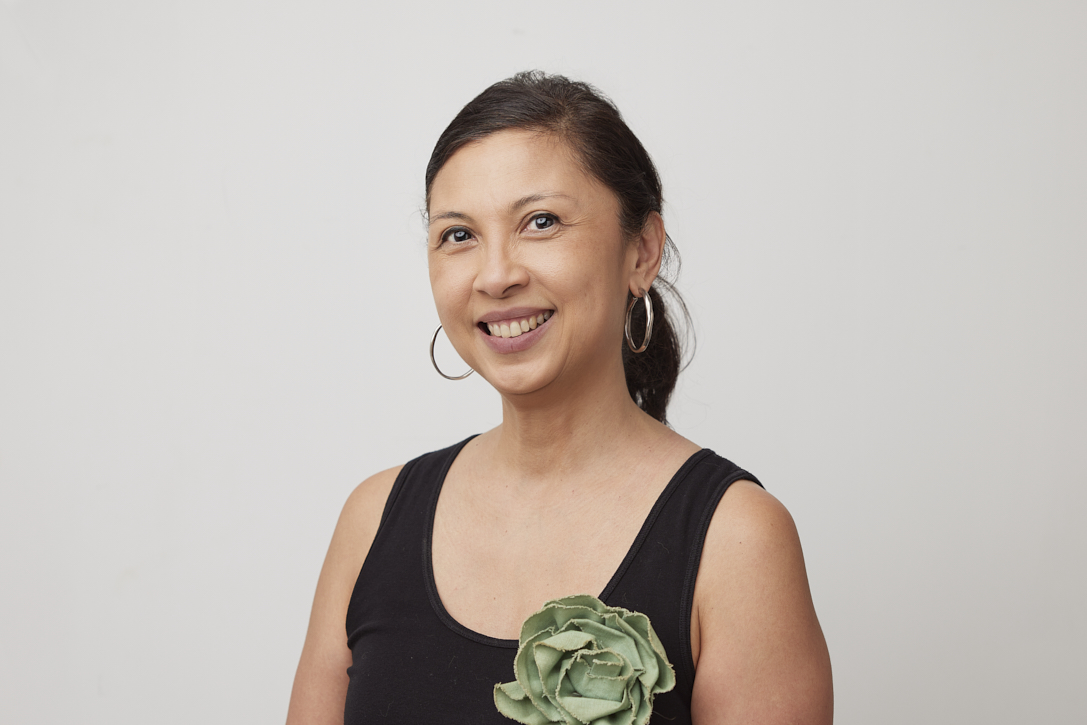
Vannessa Misso-Veness Thinks Children Learn More From Who We Are Than What We Teach
Vannessa Misso-VenessParents spend years worrying about what they should teach their children.
They research the best schools, compare extracurricular activities, encourage resilience, celebrate achievements, and hope they are preparing their children for a successful future.
Vannessa Misso-Veness believes children are learning something far more important long before any lesson begins.
They are learning how adults respond to disappointment.
How they define success.
How they manage fear.
How they speak to themselves when no one else is listening.
In other words, children are not simply listening to what parents say. They are absorbing who parents become under pressure.
That belief has shaped Vannessa’s work for more than two decades, first as an educator, and today as a Conscious Parenting and Life Coach helping working parents build healthier relationships by first understanding themselves.
The Conversation That Changed Everything
Every philosophy has a beginning.
For Vannessa Misso-Veness, it did not begin in a classroom or a coaching certification.
It began with a conversation.
In her thirties, she and her brother found themselves talking about the patterns they had inherited growing up. The conversation gradually turned into a promise.
“This has to end with us.”
At the time, it felt like an important realization.
Becoming a mother made it deeply personal.
When her own child reached the age of eight, she realized that wanting to break generational patterns was very different from actually doing the work required to break them.
She could not simply teach different values.
She had to embody them.
That realization eventually led her to train under Dr. Shefali and become a certified Conscious Parenting and Life Coach.
It also transformed the question she asks every parent who walks into her coaching practice.
Not, “What’s wrong with your child?”
But something much harder.
“What is your child reflecting back to you?”
For many parents, that is an uncomfortable place to begin.
For Vannessa, it is the only place where lasting change becomes possible.
The Invisible Scorecard Parents Never Realize They’re Carrying
Working with parents over the years has revealed another pattern that appears again and again.
Most parents believe they are making independent decisions.
Vannessa believes many are following a scorecard they never consciously chose.
She calls it the invisible scorecard.
It quietly measures report cards, extracurricular activities, milestones, university ambitions, social comparisons, and countless other expectations inherited from family, schools, workplaces, and society.
Parents rarely question where those standards came from.
They simply continue living by them.
Then they unknowingly pass them on.
For high-achieving professionals, this becomes even more complex.
The habits that create successful careers, discipline, ambition, persistence, and constant improvement, can quietly shape family life as well.
Children begin feeling that love is connected to performance.
Parents begin confusing preparation with pressure.
Neither side intends for that to happen.
It simply becomes the culture of the family.
Vannessa encourages parents to pause before continuing that cycle.
That question often changes far more than parenting.
It changes identity.
The Three Questions That Change the Conversation at Home
Vannessa Misso-Veness has learned that meaningful change rarely begins with better parenting techniques. It begins with better questions.
Across her coaching sessions, workshops, and community circles, she encourages parents to pause long enough to examine the beliefs driving their reactions before trying to change their children’s behaviour.
Three questions appear again and again.
Where did this expectation come from?
Many of the standards parents hold are inherited rather than intentionally chosen. Expectations around academic success, behaviour, confidence, or achievement often originate from previous generations, cultural norms, or personal experiences that were never consciously examined.
What is this situation revealing about me?
Children have a remarkable ability to expose unresolved fears, perfectionism, impatience, or the need for control. Rather than seeing difficult moments as parenting failures, Vannessa encourages parents to see them as opportunities for greater self-awareness.
Who do I want my child to remember me as?
This question shifts attention away from immediate outcomes and toward long-term influence. Years from now, children are unlikely to remember every homework assignment or extracurricular activity. They are far more likely to remember how safe they felt, how conflicts were handled, and whether home was a place of connection or constant performance.
For Vannessa, these questions are not exercises in self-criticism.
They are invitations to become more intentional.
Parenting Before the Crisis Arrives
One of the most common sentences Vannessa hears is also one of the most concerning.
“I’ll reach out when things get really bad.”
It reflects a mindset she believes many working mothers have developed through years of carrying responsibilities without asking for support.
The family.
The career.
The household.
The emotional wellbeing of everyone else.
Their own needs quietly move to the bottom of the list.
She compares it to expecting an emergency room doctor to learn surgery only after the patient arrives.
The preparation happens long before the crisis.
Why should emotional wellbeing be any different?
Modern motherhood, she explains, brings constant pressures that rarely announce themselves.
Social media comparison.
Academic expectations.
Identity shifts.
Changing relationships.
The invisible mental load of holding everything together.
Left unexamined, those pressures eventually shape not only the parent, but also the child watching them every day.
When mothers understand themselves more deeply, they respond differently.
Not because they have memorized better parenting techniques.
Because they are no longer reacting from fear, exhaustion, or inherited patterns.
Leading With Compassion Without Losing Direction
Vannessa Misso-Veness does not separate parenting from leadership.
She lives both every day.
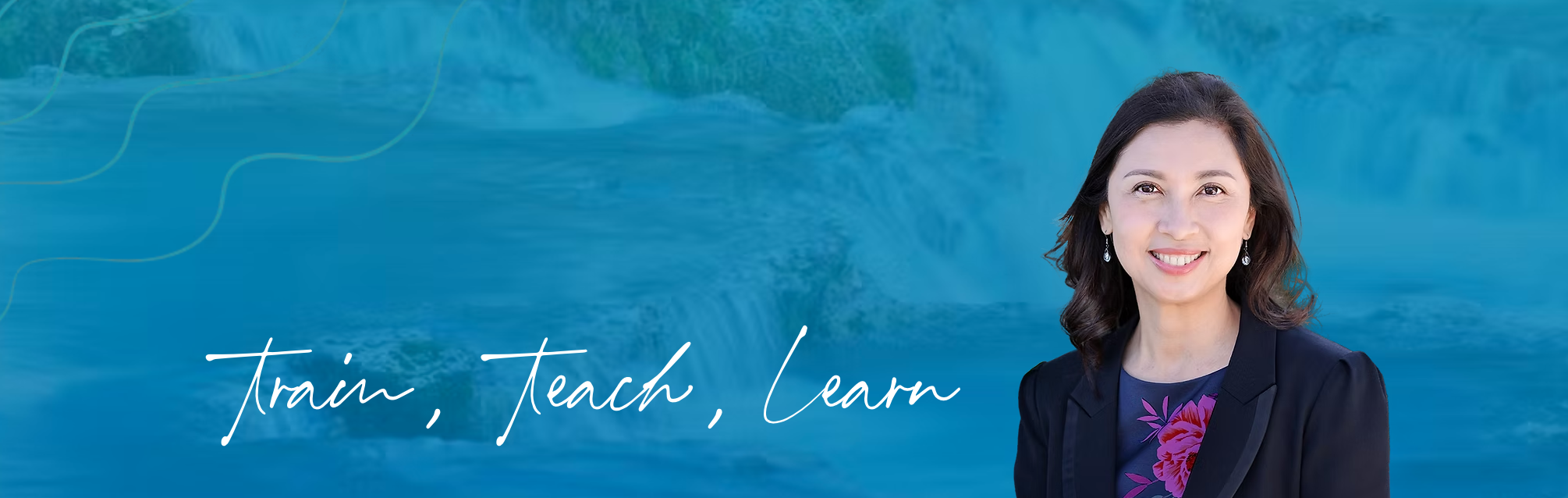
As the founder of Cascade Train Teach Learn, she leads a growing business while intentionally creating opportunities for working mothers returning to professional life.
It is a decision she understands personally.
When members of her team ask to leave early for a sick child or attend a school meeting, she immediately empathizes.
She has lived those moments herself.
At the same time, she understands that compassion alone cannot sustain a business.
The responsibility to clients, the team, and the organisation remains.
Rather than pretending the tension does not exist, she has learned to work within it.
That philosophy extends beyond management.
She believes conscious leadership is not about always having the perfect answer.
It is about modelling the same self-awareness she asks of every coaching client.
In many ways, she approaches leadership the same way she approaches parenting.
Both require compassion.
Both require accountability.
Neither can thrive without self-awareness.
Building Communities Where Parents Discover Their Own Answers
Throughout her career, Vannessa has taught English language learners, trained educators, coached parents, and facilitated leadership workshops across Asia.
Despite the variety of roles, one belief has remained remarkably consistent.
People grow most when they feel safe enough to think differently about themselves.
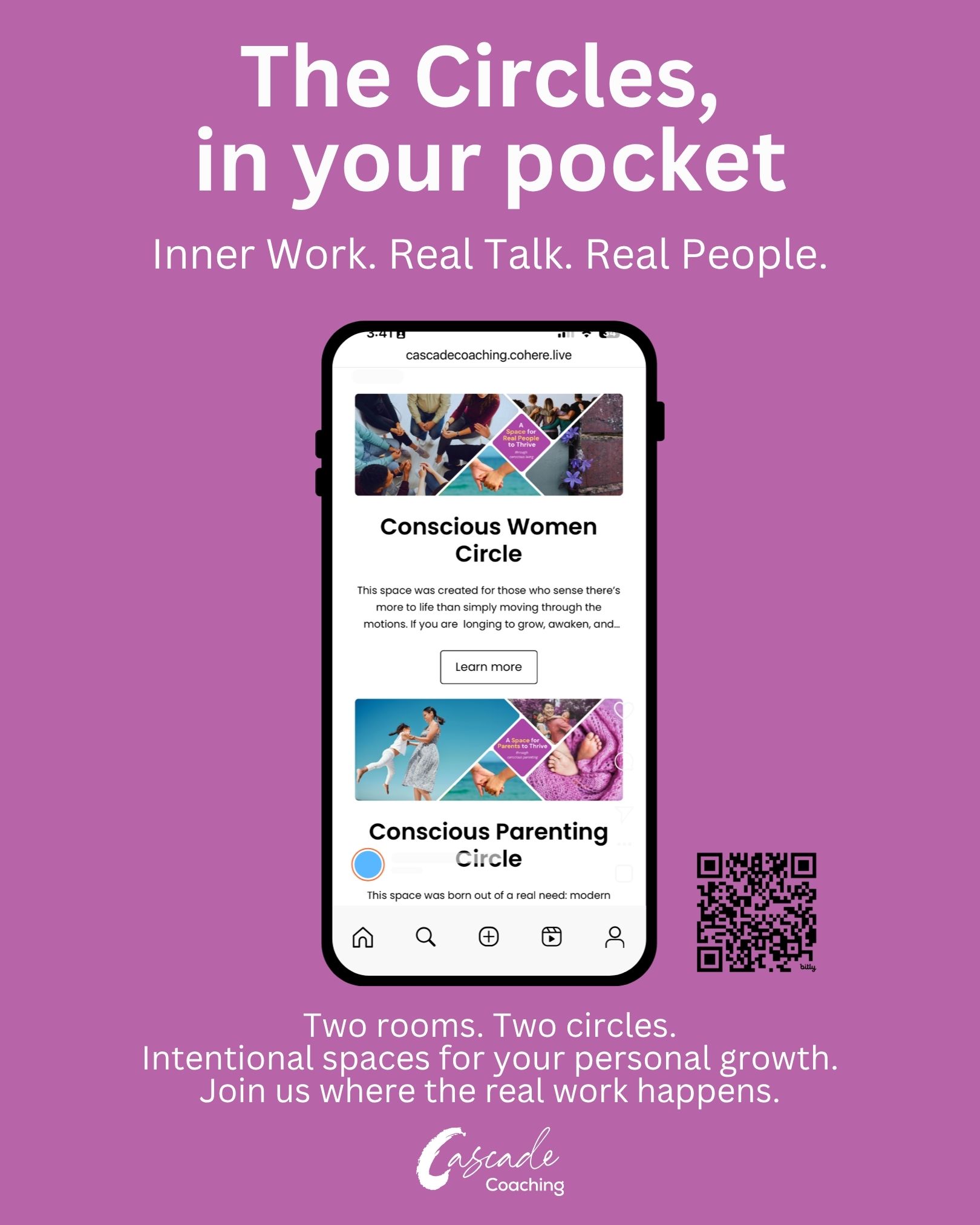
That philosophy shapes Cascade Conscious Circles, the community she created for women and parents seeking connection, reflection, and meaningful conversation.
Rather than telling people what to think, she often uses visual coaching tools that allow them to uncover answers already waiting beneath the surface.
Images become mirrors.
Conversations become discoveries.
People begin naming patterns they had felt for years but never fully understood.
The goal is not to produce perfect parents.
It is to help people become more conscious human beings.
Because when parents change, families change.
And when families change, entire communities begin changing with them.
For Vannessa Misso-Veness, parenting has never been about raising perfect children.
It has always been about raising adults who no longer need to pass yesterday’s fears into tomorrow’s generation.